In autumn, many gardeners are ready to put up the landscape tools and take a rest from lawn care. Don’t do it. When it comes to the lawn, fall is prime time for care and maintenance. And what you do now reduces the to-do list for spring. Check out these fall garden tips and tricks to help with a successful spring landscape.
See more: Battle of the Bulbs: Fall Planning & Planting

Lawn Care
If your grass is growing, then keep mowing. The last thing you want is long (or high) grass going into winter. Long grass in winter is susceptible to lawn fungus diseases such as rust or fairy ring. Mow to the same height the lawn was in summer, about 2½ to 3 inches.
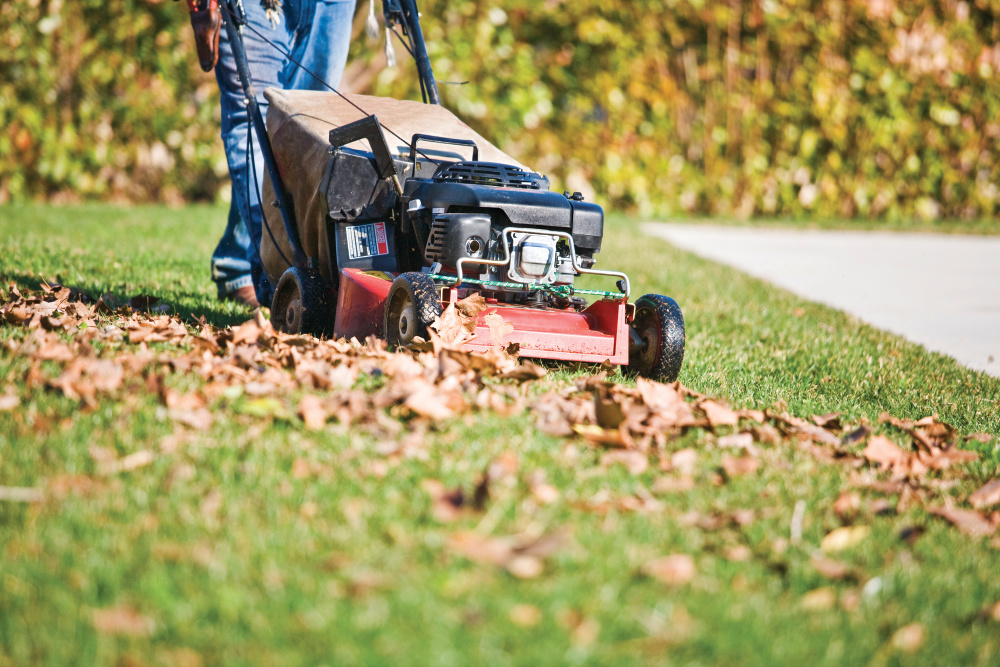
Mowing also is a great way to get rid of the leaves that fall on the lawn. Sure, you could rake and bag them or vacuum them, but mowing them is usually easier than those tasks. And if mowing twice is what’s needed to get the bits, that usually takes less time – and work – than raking the leaves.
Mowing chops up the leaves into tiny bits. Those bits break down, adding trace nutrients to the soil, so mowing leaves reduces at least one application of lawn fertilizer.
Speaking of fertilizer, September and November are the key months to fertilize the lawn. A granular fertilizer labeled for fall or winter is your best choice. Always read and follow the label directions.
Fertilizing in fall eliminates the spring application. Unless you are really into mowing, avoid fertilizing in spring, regardless. As the weather warms up, the grass will grow, and fertilizing in spring increases mowing duties.
If you have bare areas in the lawn or if the grass is thin in certain places, consider overseeding. These are the same steps to take for sowing a new lawn.
- Rough up the soil in the bare or thin areas.
- Apply a starter fertilizer.
- Sow grass seed in the patches.
- Water the area.
- Cover it with straw or netting.
See more: Lawn Prep Now, Green Spring Later
Need a New Lawn?
Fall is the best time to start a lawn, either with seed or sod. Even though sod is an instant lawn, the ground needs to be prepared in about the same way as an area to be sown with grass seed. Purdue University’s “Establishing Turfgrass Areas from Seed” and “Establishing a Lawn from Sod” offer terrific step-by-step guides.
Perennials
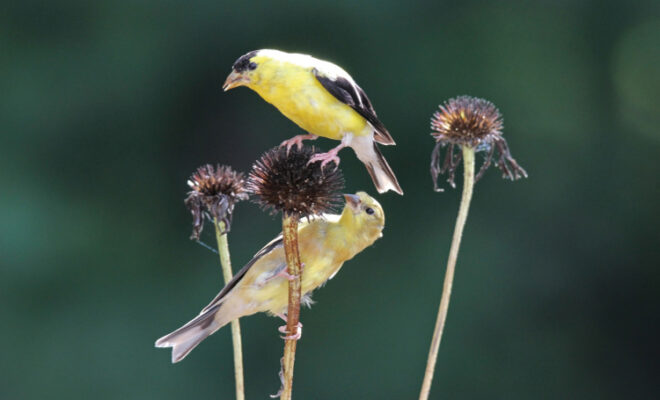
Whether to cut back or not cut back perennials is a personal preference. Some gardeners leave the perennials up through winter so native insects such as bees have shelter and birds have food.
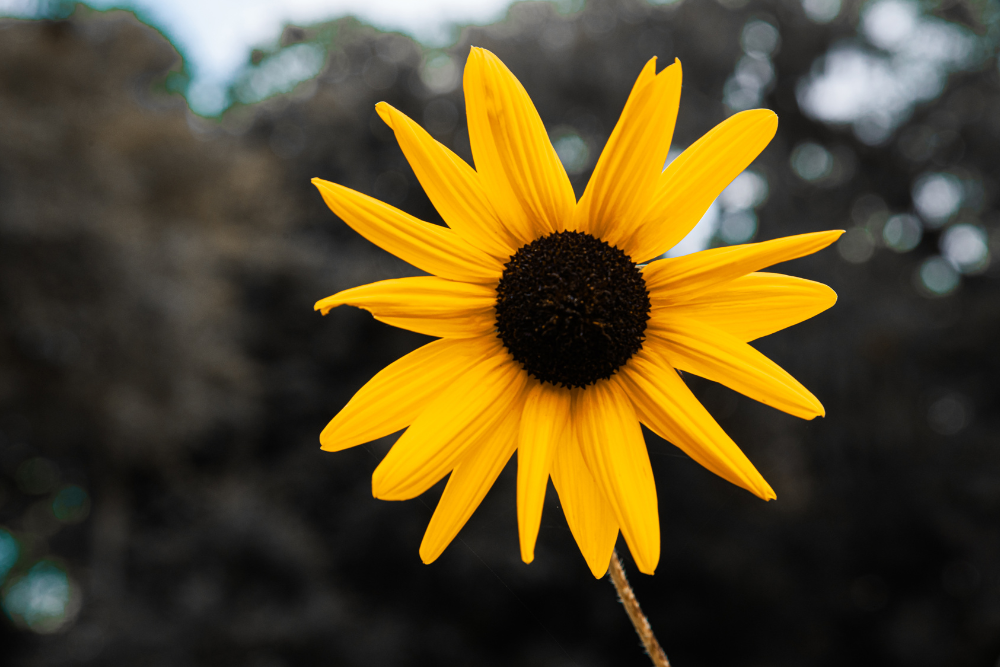
If you have plants that self-sow a lot like “Goldsturm” black-eyed Susan, consider removing those seed heads, bunching them and tying them to a fence post where the birds can feast. If fallen seeds germinate, all the little plants are in one place rather than scattered throughout the garden.
See more: Learn the Dos and Don’ts of Fall Garden Cleanup

Trees and Shrubs
If it’s been a hot, dry summer, water your trees and shrubs periodically in the fall. This is especially important for evergreens, such as boxwood, arborvitae, azaleas and rhododendrons.
Don’t prune spring-flowering shrubs like lilacs in fall. Doing so cuts off the flowers for next spring.
Lastly, take some time to enjoy the season, the fragrances, light and temperatures.