


Flowers bring a lot of beauty to our lives. They add color and they attract and support the pollinators we all love, such as butterflies, birds and bees. However, gardeners frequently overlook one floral asset that lures you in, day or night: fragrance.
Is it fragrant? That’s my mantra when it comes to most of the plants in my landscape. Trees, shrubs, perennials, annuals – you name it, and I’ll ask if it’s fragrant. Fragrance is a plant asset that attracts even more pollinators. Plus, it’s the sense strongly associated with memory.
When I select plants, I usually go for the fragrant ones. Hosta is a good example. Many hostas have no fragrance, but those with the Hosta plantaginea gene, also known as plantain lily, are a showstopper, often having people exclaim: “Wow! What is that plant that smells so good?”
Learn about other annuals and perennials that fulfill the desire for fragrant plants.
See more: Indiana U-Pick Lavender Farms Cultivate Calm and Welcome Visitors
Fragrant Annuals
Flowering Tobacco
The night-blooming varieties such as Nicotiana sylvestris attract hummingbird moths and other pollinators while perfuming the air. Plant this North American native in a partly sunny space around the deck, patio, porch, screened porch or outside a bedroom window where you can enjoy the night fragrance midsummer into late fall.
Sweet Alyssum
A white, rose or purple fluffy flowering plant is a perfect companion for pots through the seasons. Sweet alyssum (Lobularia maritima) also can hug the ground to create a flowering edge or border mixed with perennials or shrubs. Make sure to water during dry spells to keep it blooming. If growth slows, trim back to a couple of inches, fertilize and water, and the alyssum will snap back. Grow in a sunny or lightly shaded space.
Stock
Like a little spice in your life? Stock is the annual to grow. Its sweet yet spicy fragrance is a common ingredient in perfume recipes. Stock (Matthiola incana) likes cool temperatures, so you’ll find this plant already growing in garden centers, ready to plant in a pot or the ground in early spring. Grow in a sunny location. For a spicy fragrance indoors, cut stock for a vase of flowers.
See more: Enhance Your Seasonal Decor with a Spring Flowers Basket
Fragrant Perennials
Garden Phlox
This native perennial takes a stand for long-lasting fragrant beauty on hot summer days in the garden. Appreciate garden phlox (P. paniculata) in a colorful, sunny garden of mixed perennials. Look for plants labeled disease resistant because garden phlox can be susceptible to powdery mildew. To extend the bloom, remove spent flowers, also known as deadheading. Cut some for indoor enjoyment.
Cheddar Pinks
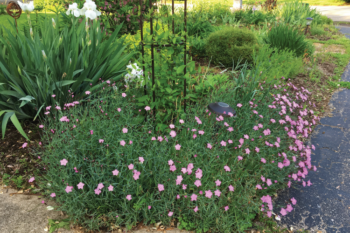
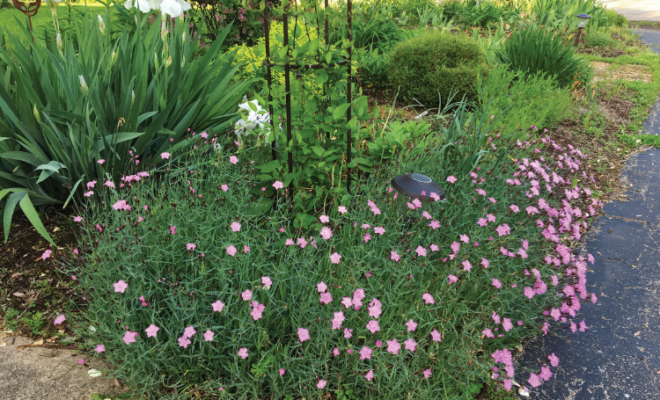
In my garden, spring fragrance comes from Bath’s Pink cheddar pinks, with 8-inch tall, flat pink flowers above blue-green, evergreen leaves. Cheddar pinks (Dianthus gratianopolitanus) get their name from England’s Cheddar and the edges of their petals, which look like they’ve been trimmed with pinking shears. They are in the carnation family and emit a soft, sweet fragrance. The flowers fade in summer, but the blue-green foliage forms a tight, weed-fighting ground cover all year.
Bugbane
This native perennial is underused despite being a standout in the garden for three seasons. Purple fine-cut leaves break ground in spring, providing a delicious, chocolaty backdrop for companion plants. In late summer and fall, tall spikes of stop-in-your-tracks fragrance from white or pink flowers rise. At about 4 feet tall, grow bugbane (Actaea racemosa or Cimicifuga racemosa) behind shorter plants in a shady or partly sunny spot. Cut a few for indoor enjoyment.
There are many other fragrant annuals and perennials that do well in the Indiana garden. If you’re like me, you’ll add a few every year to keep your world smelling great.
See more: Easy-to-Grow Herbs Flavor Grilled Meats and Vegetables
About the Author: Jo Ellen Meyers Sharp blogs at hoosiergardener.com, where you’ll find information about her programs, garden coaching and four-season container planting.


I’d love to be updated with information like this to use in my yard and around my house.these types of informational characteristics of each as my yard is very small and Perennials have been used at first. I’m having trouble with home community and the respect many have for the our neighborhood. I’m wanting to plant (replant) where dogs have damaged them. All things to read. Thanks!!!!