Nearly one-third of Gary, Indiana, residents live below the federal poverty line. This makes it difficult to put food on the table, especially as prices surge. On top of this challenge, large portions of the city are considered food deserts, making it nearly impossible for people to access affordable, healthy meals.
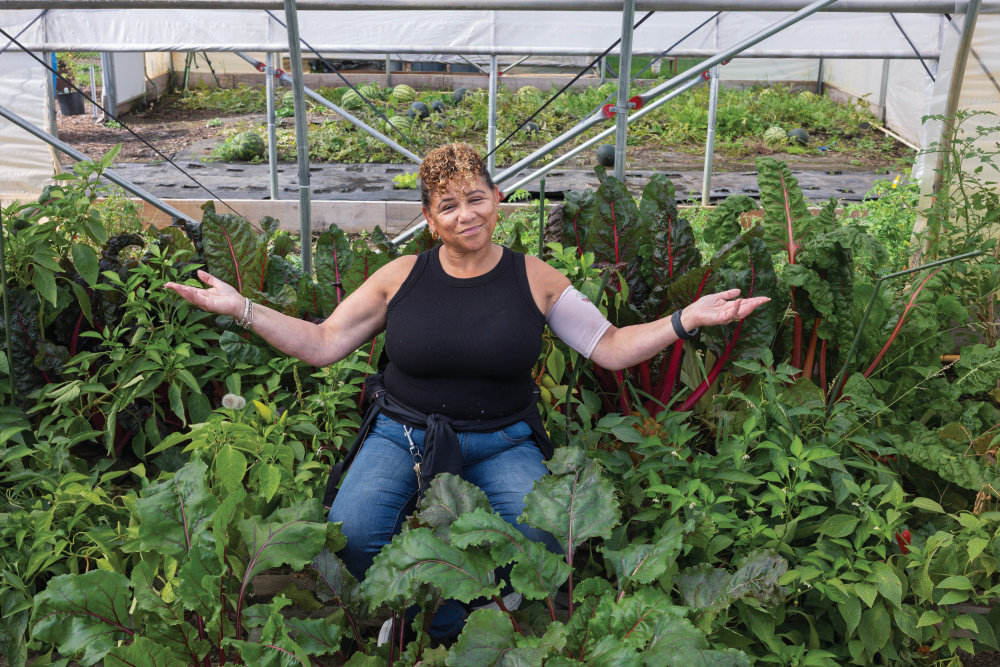
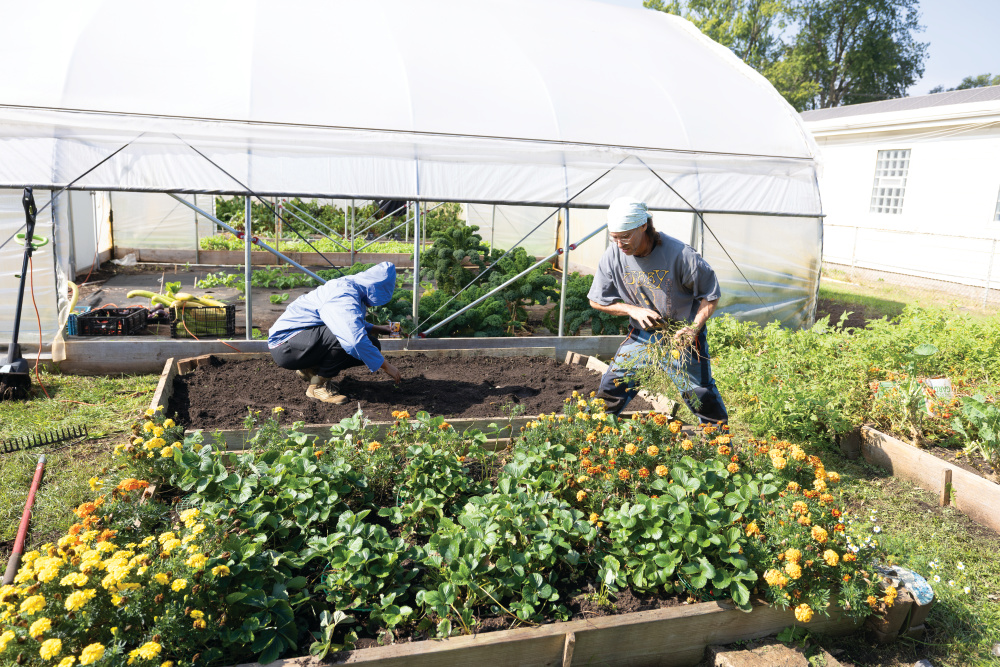
Residents don’t have to go it alone, thanks to the faith-based nonprofit Families Anchored in Total Harmony (FAITH) CDC. The nonprofit grows thousands of pounds of produce annually at its U.S. Department of Agriculture-certified farm and gives it to community members in need.
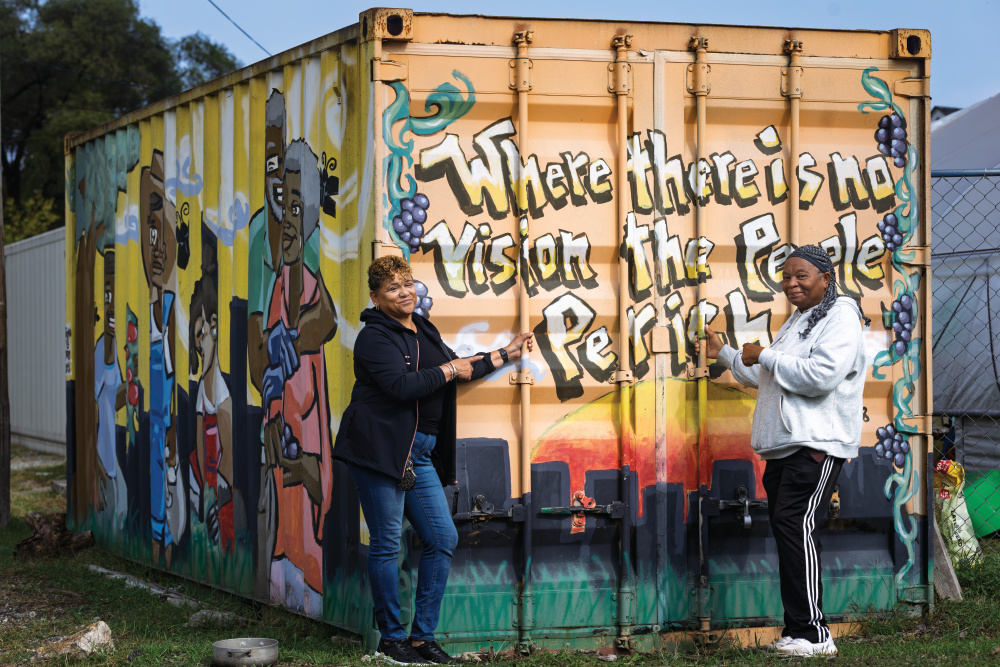
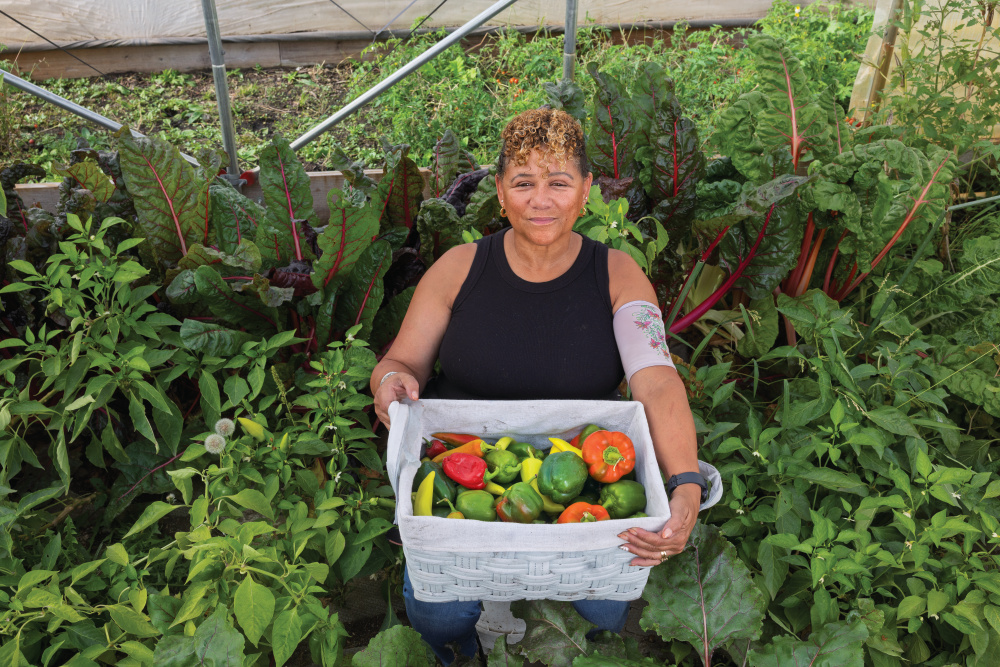
“It’s a mission, a vision for God for us,” says Freida Graves, FAITH CDC’s director of food as medicine. “So, this is where we feel like God placed us and what we’re supposed to be doing.”
See more: Painting the Town: Two Indianapolis Latina Artists Make Their Mark on the City’s Art Scene
Produce Prescription
According to Graves, many people meet cost-prohibitive barriers or experience a lack of availability, preventing them from accessing fresh, local and healthy foods.
“People don’t have the accessibility to get food, and the food that they do have the accessibility to get at the convenience stores or grocery stores isn’t healthy,” Graves says. “And then also the cost. If you only have $10, and the pack of hot dogs is $1.99 and broccoli is $3, $4 or $5, you’ve got to go with the cheaper thing just to get food in your belly.”
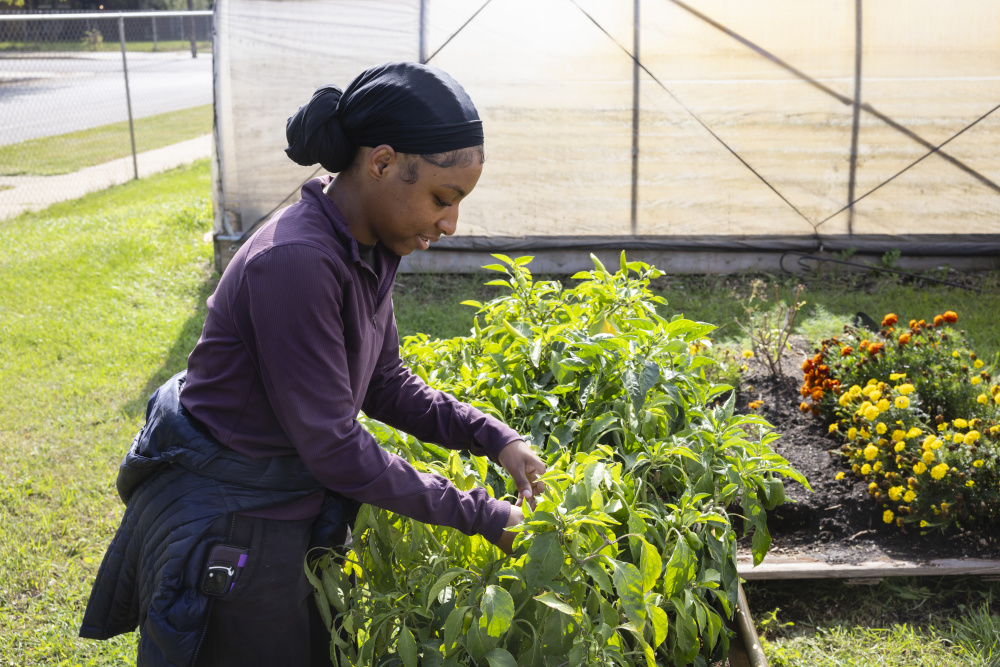
FAITH CDC strives to make a healthier diet more manageable for citizens by providing fresh food from its Faith Farms and Orchard. The urban farm produces around 40,000 pounds of fruits and vegetables each year, including onions, tomatoes, squash, zucchini and melons.
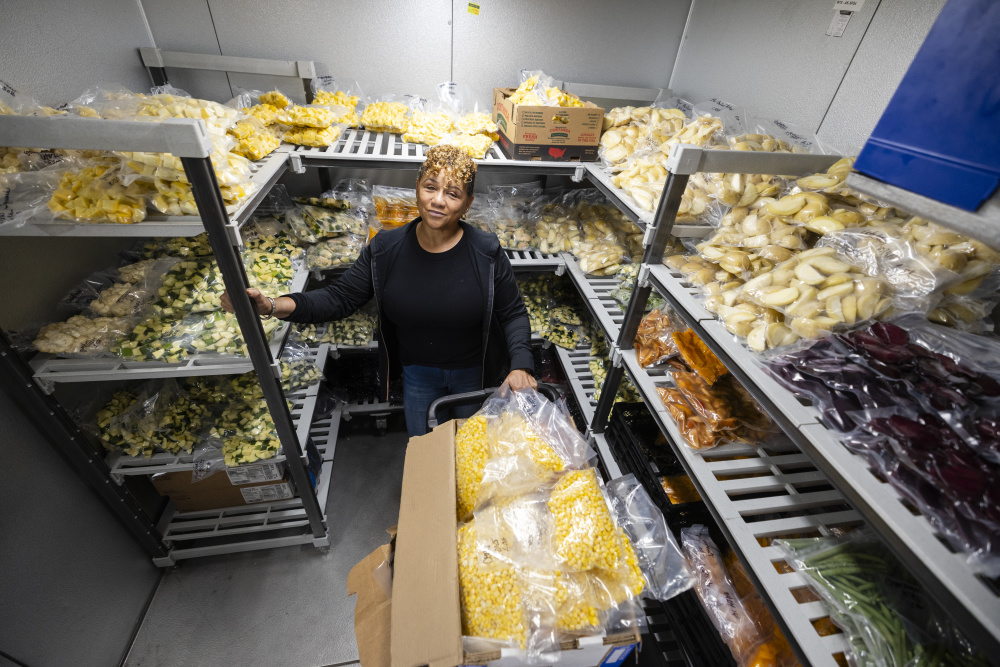
Through its Food is Medicine initiative, FAITH CDC also donates six months of free food to individuals who present a produce prescription from their doctor. This program serves people with a number of health issues, including cardiovascular disease, diabetes and gastrointestinal disorders.
See more: Akoma Ntoso Modern Quilt Guild Stitches Powerful Patchwork
The organization also fills local residents’ refrigerators with its fruits and vegetables every two weeks through the Harmony Fridge program, which is open to anyone in the community.
FAITH CDC served approximately 600 people in the first three years of operating these two food programs. According to data collected with the help of Indiana University Northwest, these initiatives have helped participants stretch their food dollar so they can focus on other bills and purchase necessary medications. In some cases, a new diet has even resulted in noticeable health benefits.
“Some doctors took people off their medications, some lost a hundred pounds,” Graves says.
Nearly 85% of Gary’s residents are African American, a population that tends to suffer at higher rates from many diseases, which could be managed by diet, making FAITH CDC’s work even more crucial.
“People need this program so badly,” Graves explains. “The African American community, we’re leading in heart disease, diabetes and respiratory disorders, among others.”
See more: Soul Food Project Provides Access to Fresh Food and Builds Community
Food Forward
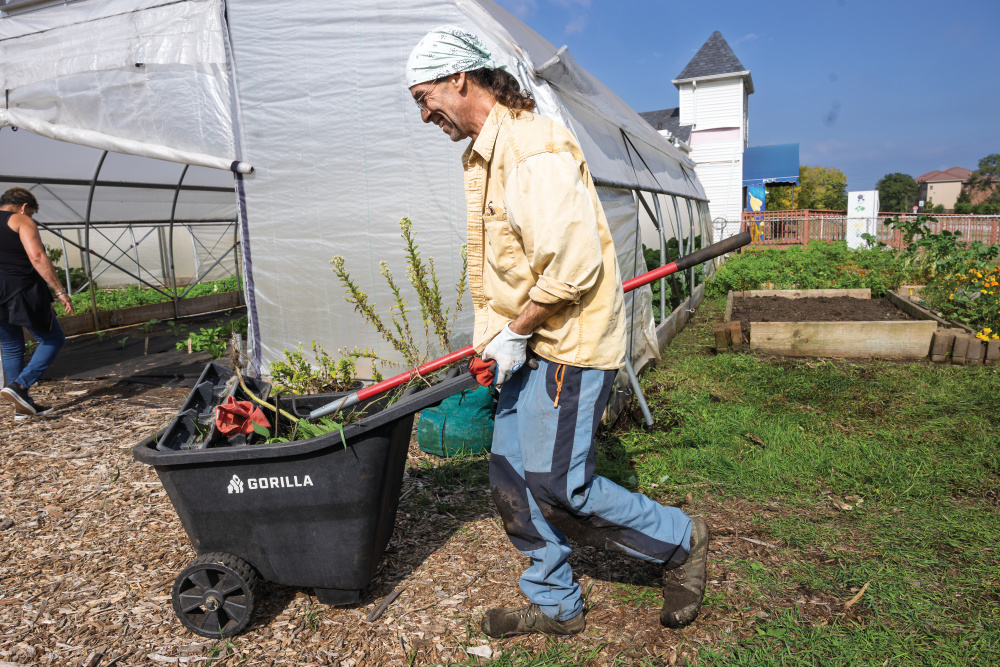
In addition to its work in food justice and health equity, FAITH CDC focuses on environmental, social and economic justice. For instance, the organization is helping to protect the planet by focusing on healthy soil through a compost program.
In recognition of this work, FAITH CDC was one of two recipients of Marbleseed’s 2025 Changemaker Award, and it was the first urban winner ever.
“It was an honor,” Graves says of the award, which was presented at Marbleseed’s annual organic farming conference, one of the largest such events in the U.S.
FAITH CDC is not slowing down anytime soon. One of its next major goals is to establish a food hub, which will include a grocery store, a kitchen where a chef will conduct cooking demonstrations and even a youth-run smoothie shop where the next generation of urban agriculturalists can learn about entrepreneurship. The food hub will also serve as a distribution center for other local farmers to sell their products.
Though Graves says it’s becoming more difficult to fulfill the organization’s mission as federal funding cuts dig in, she adds that she and others remain committed.
“Every time I have somebody tell me, ‘You guys helped me so much,’ it continues to energize me more just to keep going,” Graves says.
To learn more about Faith CDC’s mission, visit facebook.com/faithcdc or faithcdcgary.org.
See more: Trot Over to Brown Family Ranch for Horses and Locally Grown Food