Have you ever wondered which grains are really considered whole? Are you baffled about gluten and whether you should avoid it? Let’s look at some of the common misconceptions about this nutrient-rich food group, then get in the kitchen and make your favorite grain-rich salad for the next tailgate party or Friday night pitch-in.
Myth: Grains that are high fiber are always whole grains.
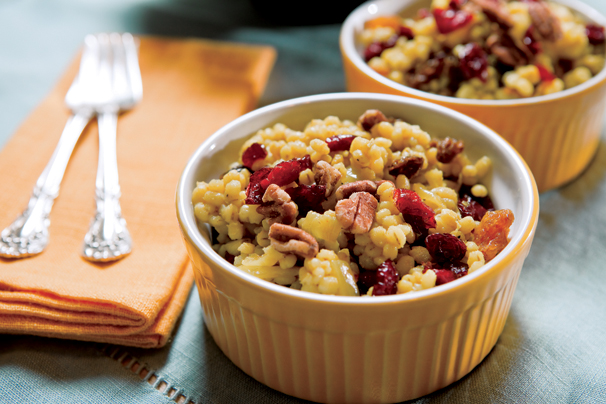
Fact: While most whole grains do contain significant fiber, that’s not what determines a whole grain. Whole grains contain all three parts of the grain kernel: bran, endosperm and germ (where all those health benefits are!). Common whole grains include brown rice and whole-wheat flour in a variety of grain products, such as bread and cereals. Quinoa, though considered a whole grain, is technically a protein-rich vegetable related to beets and spinach. Quick-cooking and pearled barley aren’t technically whole grains (their hull and some of the bran has been removed), but barley is a fiber powerhouse. In fact, it’s loaded with soluble fiber, the type that can help lower cholesterol and LDL “bad” cholesterol. Make a batch of Curried Barley with Cranberries, Raisins and Pecans for your heart today.