


Whether a child grows up to be a doctor, lawyer, musician, farmer or anything else they can imagine, the Asante Children’s Theatre in Indianapolis believes they all will benefit from one thing: the arts.
“Art is a natural vehicle to really connect with and save our young people,” says Terrance Asante-Doyle, program manager at the Asante Children’s Theatre. “Under the guise of performance art, you’re learning soft skills that translate to work and relationships. The programs have a way of preparing you for anything no matter where you end up.”

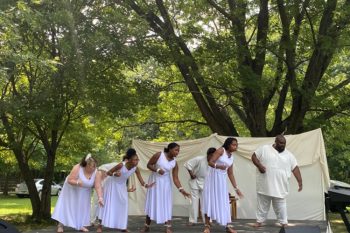
Terrance has been involved with the theater since he was 8 years old, after his mother, Deborah Asante, founded the organization in 1990.
“I’ve always been very creative, and when I became a parent, I wanted my children to have a place like this,” Deborah says. “It became critically important for me to start something when I had my own child and saw how children were in jeopardy.”
In those early days, Deborah fostered the growth of young artists, but it wasn’t until a parent, Keesha Dixon, stepped up to help that they were able to build the organization now known as the Asante Art Institute.
“I’m an artist. Keesha Dixon, our current executive director, is an organization builder,” Deborah says. “I connect with other artists and with children. There’s a big kid in me, and other kids recognize that.”
Confidence Enters Stage Right
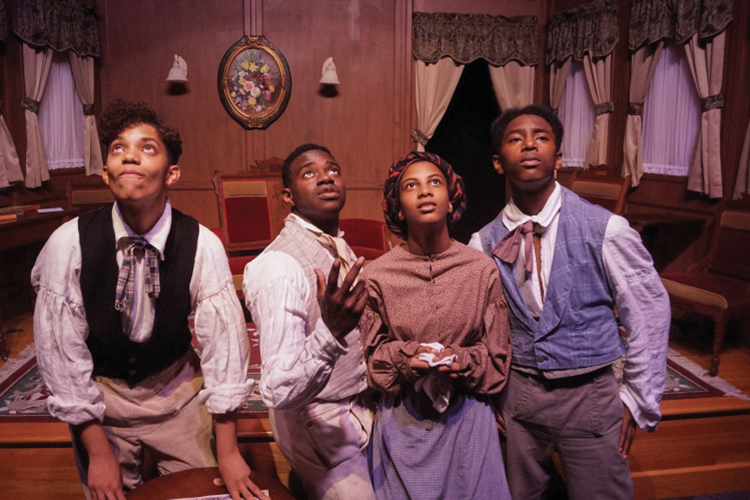
The organization began as the Asante Children’s Theatre but grew into the Asante Art Institute, which encompasses the theater and several other programs, including Prep4Life, The Academy, the Asante Community Connection and the Asante Artrepreneur Incubator. All of the programs provide an environment for youth of all ages where acting, singing, dancing and storytelling are used as conduits for self-discovery, with slightly different focuses.
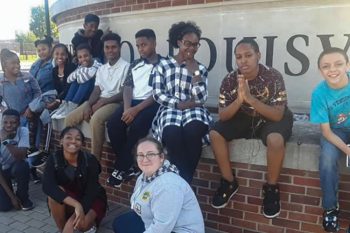
AshLee Baskin, the organization’s artistic lead, didn’t become involved with Asante until she was an adult but says the organization has had a significant impact on her life and is special because it’s rooted in culture.
“I grew up as a performer, and it’s something I wanted to pursue, but I was scared about saying that out loud,” Baskin says. “By becoming involved with Asante, I was able to be honest with myself that art is what I want to do. In working with children, and especially kids of color, it’s a place where they can get a solid theater education but also learn cultural confidence that affirms who they are and empowers them to be different.”
She adds the lessons may start with art, but they build life skills that mold them into global citizens.
“You can tell when a young person has come through the program from start to finish,” Terrance adds. “They become more in touch with who they are, and the confidence translates in what they decide they want to do.”
See more: Discover Nine Places to Clown Around in Peru, Indiana
Cast & Community

For More Info
Now in its 32nd year, the organization has a strong, intimate community but is still trying to spread the word and tell its story in Indiana and beyond.
“Throughout our 32 years, we’ve influenced leagues of performers,” Terrance says. “We are the linchpins of the theater industry and artistic renaissance that’s happening in Indianapolis.”
Baskin adds that the theater’s partnerships are a huge avenue in helping to promote the organization.
“We’re leveraging great partnerships with the Indiana State Museum, school systems and Conner Prairie to tell our story in less traditional ways,” she says.
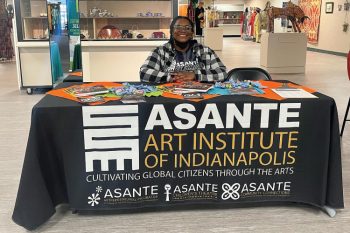
The team says that as they continue to grow and develop new programs, it’s essential to shine a light on them and make them available to all artists, not just those who grew up in the program.
“We’ve always exercised the power of community connections,” Terrance says. “People might traditionally know us as the theater, but in the next cycle, we’re trying to show people what we do holistically versus just going from script to stage.”
Deborah says as the organization expands, the mission will expand its reach to be intentional about community development while focusing on families.
“The most impactful way to build communities is to build families. We do that by strengthening the children,” Deborah says. “Art is loving the task. Finding what you love is key to self-discovery, and our goal is to be able to connect with everyone on that level.”
See more: Indiana’s Freetown Village Brings African American History to Life


That’s what we do! That’s our mission.