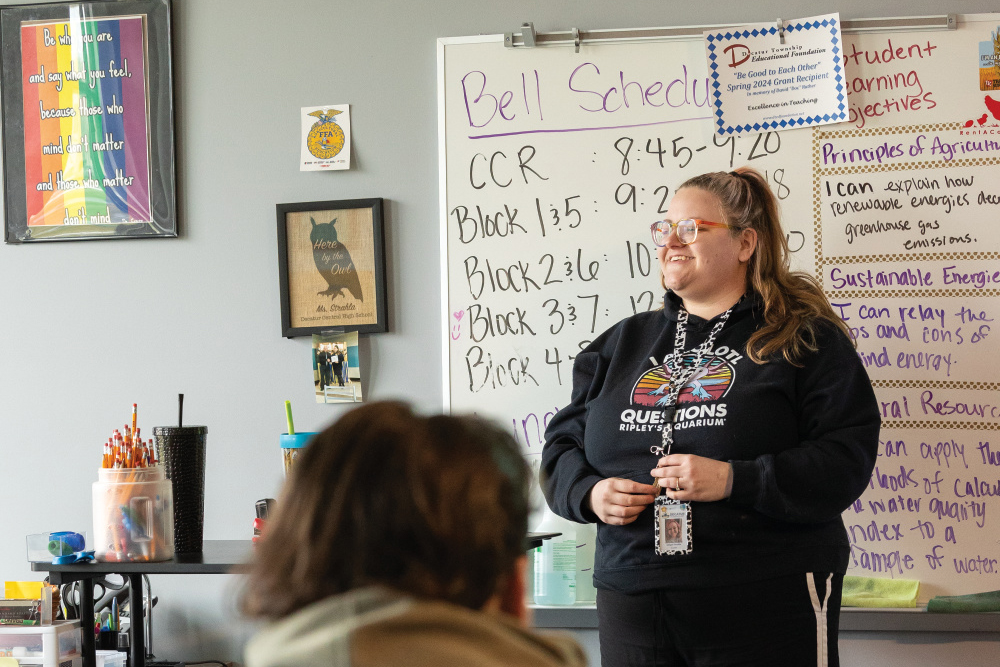
Decatur Central High School sits just 5 miles from Indianapolis International Airport. Surrounded by bustling streets and apartment buildings, it’s not exactly a prime location for agriculture. Despite that, agriculture teacher Abby Strahla is working hard to make sure her students are exposed to the same opportunities she had as an urban FFA member in Indiana.
“As an ag program, it’s a struggle to get the community and the kids to buy in,” she says. “Folks hear of it and only think ‘farming.’”

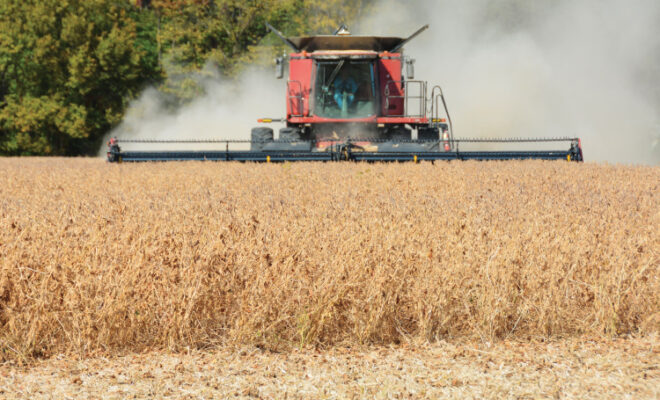
Her goal is for students to walk away from her class with more connection to where their food comes from and learn that 29% of American jobs are linked to the food and agriculture industry, with only 2% being the traditional farming most people relate to agriculture.
See more: The Farm-to-Table, Student-Run Creek Cattle Co. Raises Career Awareness
City Reach
An urban agriculture program is not new territory for Strahla, who was a student at Beech Grove High School when the agriculture program began there. Her involvement with the agriculture classes and FFA chapter led her to become an agriculture instructor. She now wants to provide her urban students with those same experiences.
Agriculture programs at Beech Grove and Decatur naturally differ from traditional ag programs.
Of the almost 1 million FFA members nationwide, only 10% live in urban or suburban areas. FFA chapters are in 18 of the 20 largest U.S. cities. Within Indiana, FFA membership in urban and suburban schools grew 127% from 2016 to 2019, according to Indiana Public Media. Their peers in rural areas also grew, but only by 21%.
“Most FFA students live on a farm and are connected to ag in some capacity,” Strahla says. “Mine aren’t. Many of them live in an apartment.”
Strahla says she uses FFA to help her students gain confidence and leadership skills.
“In FFA, one of my goals for the students is to help them grow as a person because a lot of times they don’t get support at home,” she says.
See more: Soul Food Project Provides Access to Fresh Food and Builds Community
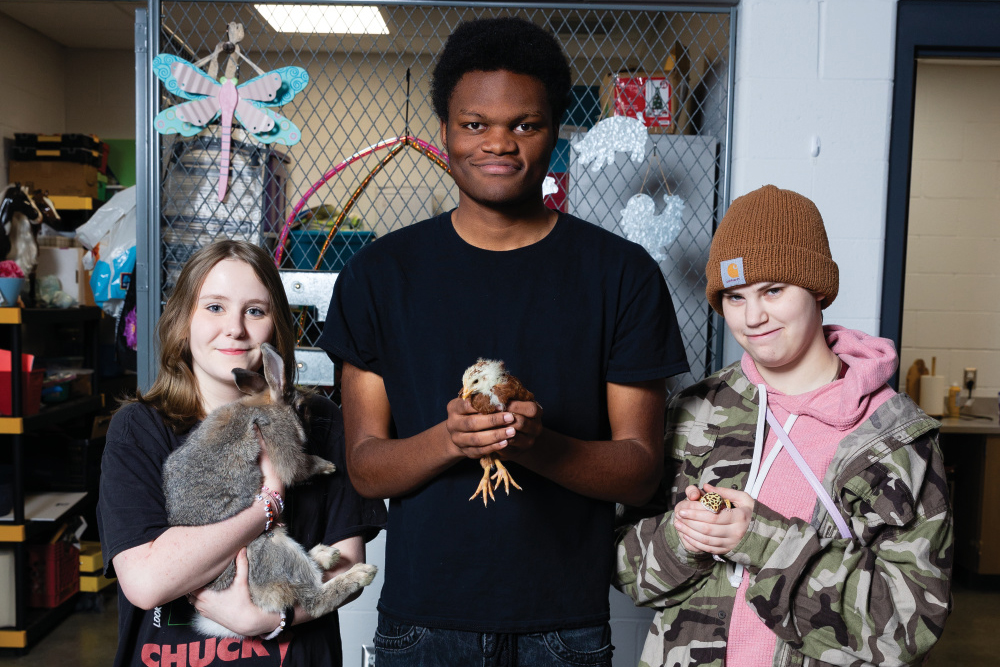
Furry and Feathered Classmates
In a setting where agriculture is not the norm, Strahla feels the pressure to make her class fun and interactive so students will give agriculture a chance.
“One of the things I pride myself in is that I can find pretty much any way to tie things back to ag,” she says.
The Decatur agriculture program is housed in a separate career center alongside construction and manufacturing vocational pathways. The animal, plant and food science pathway allows students to be exposed to the basics of agriculture science the first year, then move on to either animal science or plant and soil science their second year.
The final year of the ag pathway allows for the option of advanced animal science, advanced plant science or food science.
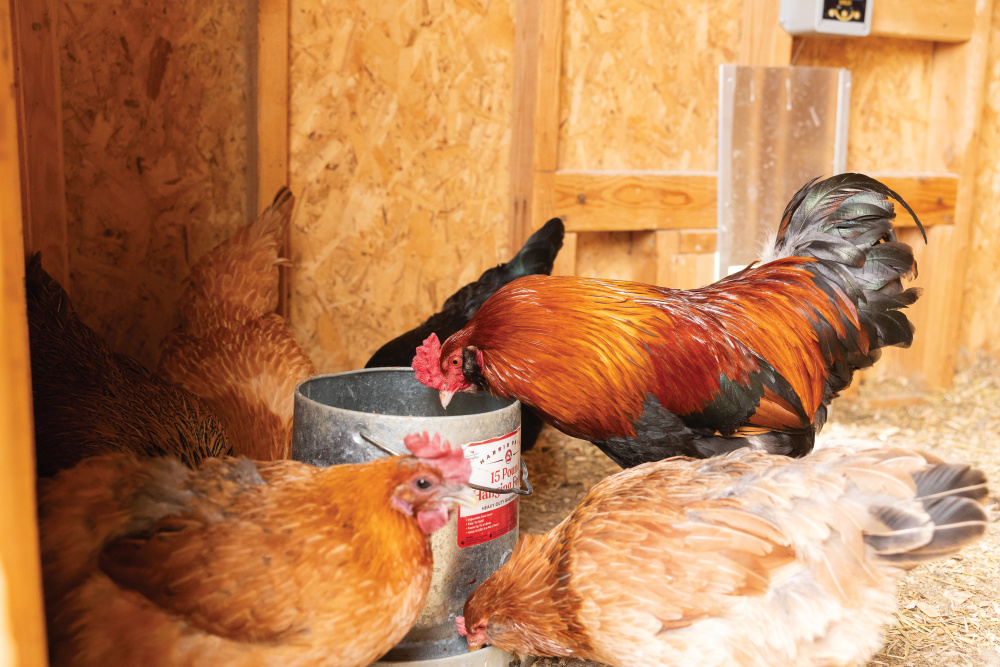
Animals are the primary motivation for Decatur students to take an agriculture class. The ag program has three kids, or baby goats, and a chicken coop, along with several smaller animals.
“Having the animals on the property helps,” Strahla says. “We collect the eggs, and students get to learn about where their food comes from.”
See more: FFA Facts & Figures

Developing Leaders
Since leadership development is a crucial component of FFA, Strahla pushes students to take the lead in planning events. This requires them to make phone calls to people they don’t know and interact and connect with the community and local businesses.
“We just did a petting zoo for the first time this past year, and it got a lot of community members involved,” Strahla says. “With FFA, I try to push the student-led aspect of the organization.”
Members who also participate in leadership contests within the FFA develop public speaking and research skills as well.
Indiana FFA recognizes that a large percentage of members reside in suburban as well as urban areas and says it is working on providing leadership development events that promote agriculture even for those who haven’t been exposed to production agriculture.
Over the course of a year, 11 leadership conferences are offered to Indiana FFA members with the goal of developing positive character traits and habits, regardless of whether members reside on a farm or in the city.
Attending leadership events, such as the state or national FFA convention, can help students realize how many others are involved nationwide.
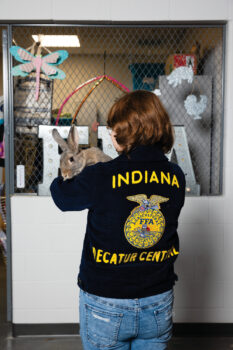
“In this area, FFA is not necessarily the cool thing to do,” Strahla says. “When they get to go to a convention, they get to see thousands of blue jackets, and they see how impactful FFA is.”
See more: FFA Paved the Way for Lisa Chaudion’s Trailblazing Career