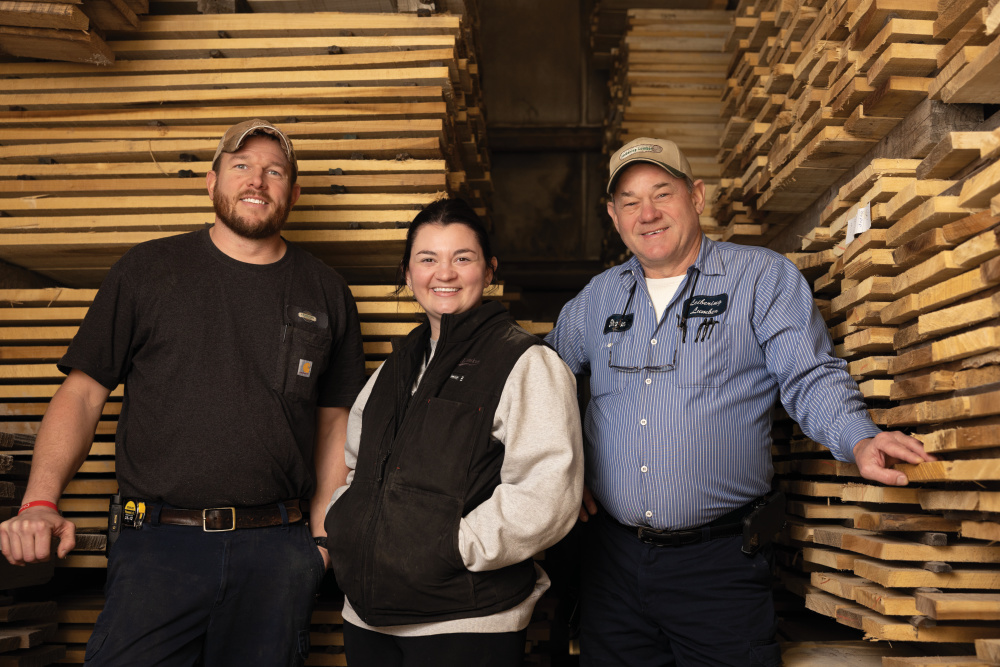
The Leibering family is an Indiana hardwood and timber industry giant with deep multigenerational roots.
“We are harvesting our grandparents’ management and managing our grandchildren’s harvest,” says Felicia Leibering Seiler, a member of the fifth generation of Leiberings. “My grandfather said this, and my dad and uncles say it now. It’s what we believe.”

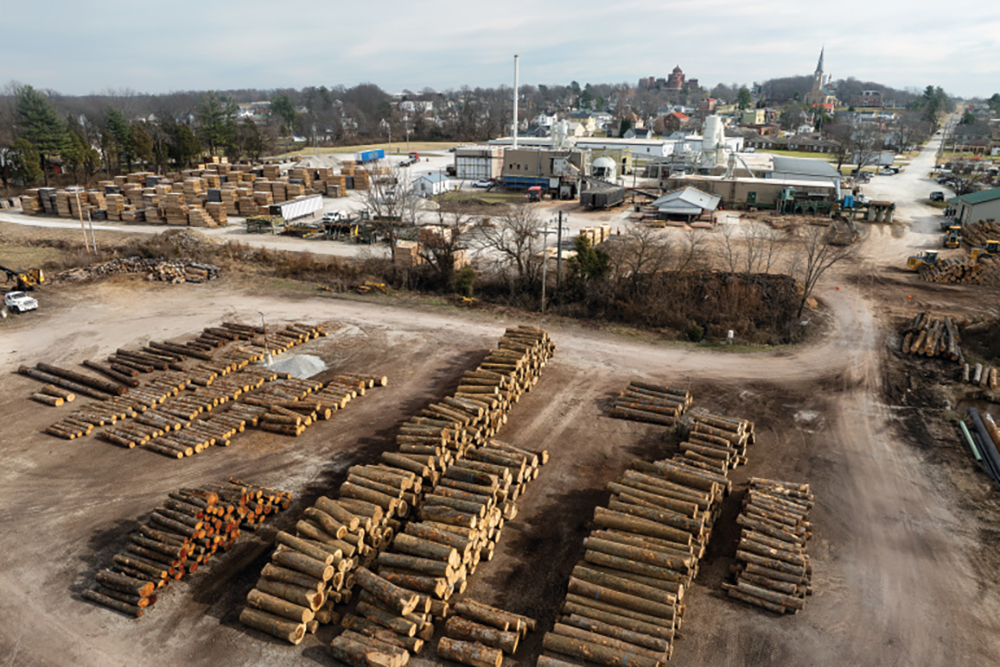
Seiler explains the family has three vertically integrated companies, with main operations based in Ferdinand. Leibering & Sons is the forest management and timber harvesting company. Leibering Lumber and Logging is the sawmill, where logs are cut into lumber. After lumber is produced, it is transferred to Leibering Dimension, the secondary manufacturing plant, which produces kiln-dried lumber, hardwood flooring, custom ripping and other finished hardwood products like molding and trim.
See more: Healing Herd: Veterans Find Community and Purpose Through Mustangs of Service
Planting Roots
It all started with Seiler’s great-great-grandfather, Ben Birchler. He decided his family property would be better used for forest management rather than cattle grazing.
“At that time, ag commodities like livestock and grain seemed to be more beneficial to families than timber production,” says Steve Leibering, president and partner of Leibering Dimension and Seiler’s father. “But through forward thinking, our grandparents recognized the potential that someday quality timber would be valuable to the community and the property owner and could generate enough revenue to provide a sustainable income.”
Steve’s father, Chris Leibering, was heavily influenced by Birchler’s ideas on conservation and convinced his parents to allow him to begin implementing selective cutting and conservation tree-planting practices on their small acreage of woodlots. Chris and his wife, Carol, started Leibering & Sons in the 1950s, alongside their sons, Phil, Shawn, Matt and Steve. Chris won numerous awards from the Spencer County Conservation District and was named Tree Farmer of the Year in 1985. He passed away in 2007.
“My grandpa was a ‘do it all, do it right and go all out’ kind of guy,” Seiler says. “He had a bus he’d renovated with bunk beds and a cooking shop, and he’d take 15 to 20 boys and a truck and trailer with them, and they’d be out for weeks at a time planting trees.”
She estimates Leibering & Sons, now led by Phil as president, has planted more than 35 million trees over the company’s lifespan. A considerable number of trees have been planted on coal mine reforestation property.
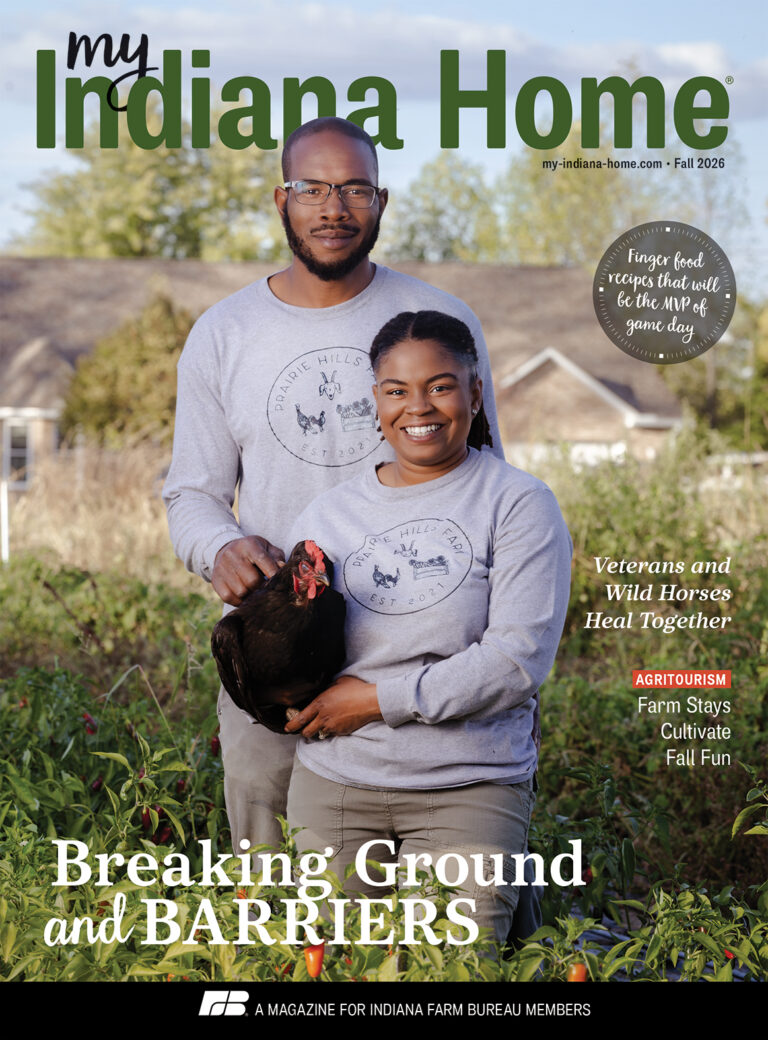
See more: First-Generation Farmers Cultivate Success and Break Barriers at Prairie Hills Farm
Timber Time
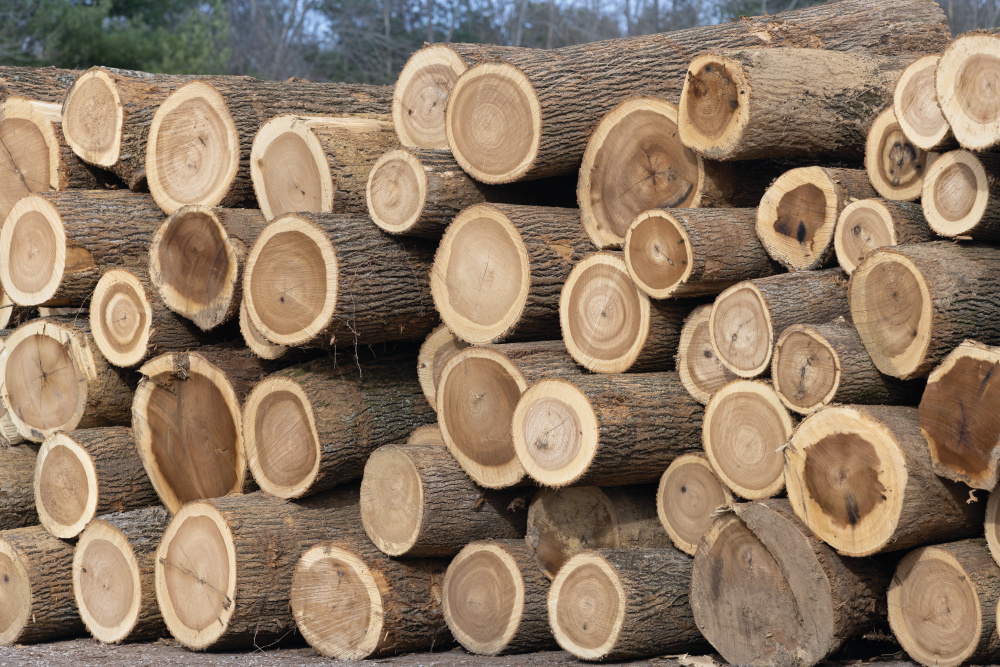
When it’s time for harvest, timber is selected based upon an ecologically science-based management plan and harvested using best management practices.
“My uncle, Matt, is our forester, and as he says, the forest typically takes care of itself when managed properly,” says Seiler, noting her cousin, Bradley, and brother, Carson, also help out with timber management. . “When the right trees are taken out, those that are left have more room to spread out, and the saplings on the forest floor get more light.”
Stands of timber keep land with marginal soil in use, which Steve explains helps protect natural resources such as wildlife, water and soil.
“The majority of our material comes from Indiana,” says Seiler, who also serves as the sales and marketing manager at Leibering Dimension. “Some of it comes from properties we own, but the majority is timber harvested from private landowners in southern Indiana, which has the most incredible timber.”
See more: Linneweber’s Sauce Company Creates Spicy Sensations with Indiana-Grown Peppers
Waste Not
Sustainability practices extend to the sawmill, Leibering Logging and Lumber, where Shawn now serves as president.
“You want to use as much of the timber as possible, not only to reduce as much waste as possible but also for the cost factor,” Seiler says.
Tree bark is sold, and mill offal, or wood waste and by-product generated when processing logs into lumber, goes through a chipper for later use.
“The offal either goes into our boiler that steams the kilns for our lumber here at Dimension or it’s sold as paper chip,” Seiler says. “Sawdust is sold to cattle and horse ranchers.”
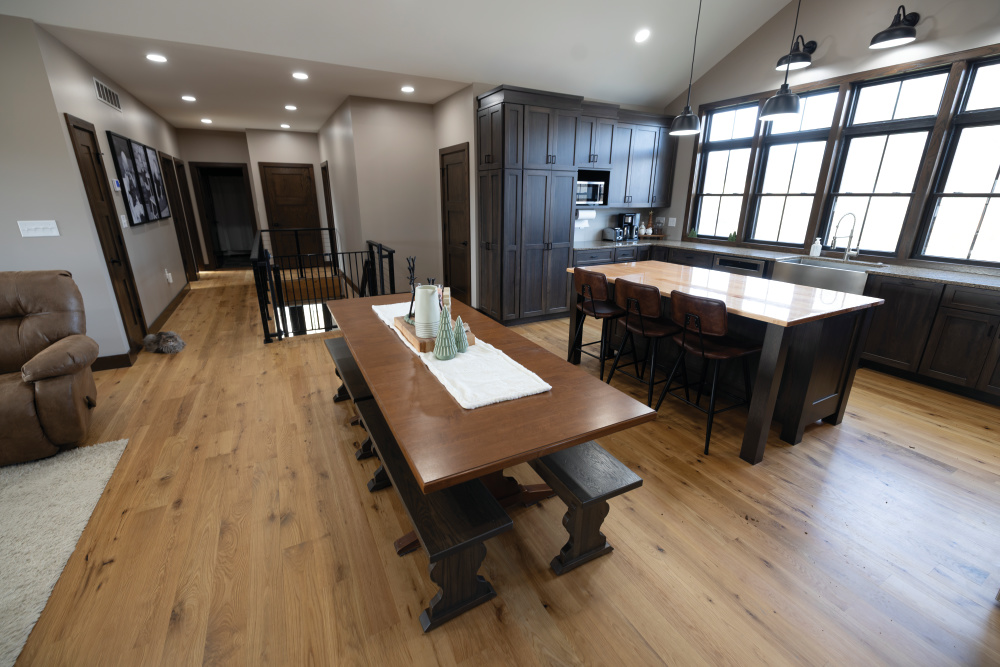
Minimizing waste and using all by-products continues at Dimension, where Seiler and her cousin, Brandon, serve as managing partners. Shavings from the manufacturing process either go into the boiler to kiln-dry the lumber or are sold to turkey farmers for dry bedding.
Seiler’s cousin, Logan, oversees the trucking and logistics aspects, as well as maintenance equipment across Leibering. Plus, he manages the family’s farm operation, raising cattle and row crops.
See more: Faith CDC Farms and Orchard Addresses Food Inequity in Gary
A Forest for the Future
As Steve notes, timber isn’t an annual commodity, but with proper management, it has natural regeneration. Those same sentiments of taking the long view and caring for each tract of land and each aspect of their operations extend to the family’s business philosophy.
“This is an industry I would want my children to grow up in, where it’s very much about your word and what you stand on,” Seiler says. “We are going to do good work on someone else’s property, treating it like it’s our own, and hopefully leave it even better than we found it in order for more trees to grow and to continue on for the next generations.”
For more information about Leibering Dimension, visit leiberingdimension.com.
See more: Garwood Orchards and Farm Market Showcases Family Legacy and U-Pick Fun