With the latest Census of Agriculture reporting the average age of the American farmer is 58 years old, agricultural industry leaders have expressed concern about the impact of farmers and ranchers aging out of the workforce, especially without a succession plan. However, recent data from the National Young Farmers Coalition is planting a seed of hope for future agriculturists, showing a 7% increase in farmers under age 44.
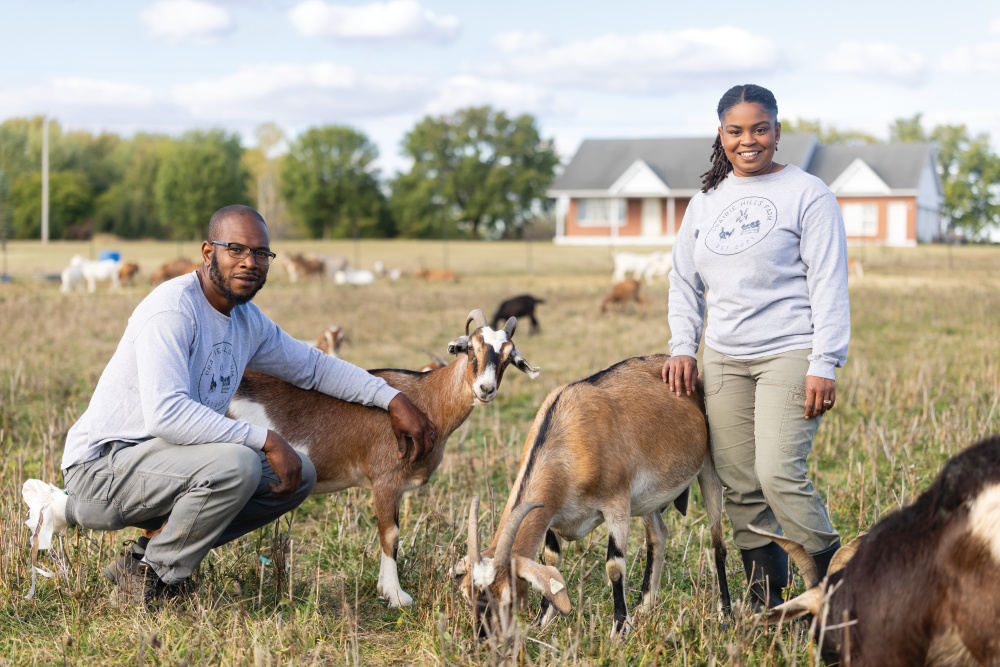
This statistical growth includes 31-year-old Sabrina and 39-year-old Sylvester Friend of Prairie Hills Farm, a married couple who took a leap of faith to become first-generation farmers in Delaware County, Indiana. In 2018, the Friends began growing their own food to feed their family, including their daughters, Skylar and Shiloh.

“After we tasted how great our first backyard harvest was, we were hooked on our agricultural pursuit,” Sabrina says. “Then, the COVID-19 pandemic allowed us to step back and reevaluate what we really wanted to do in the long run. We realized we wanted to support the needs of not just our own family but also our community.”
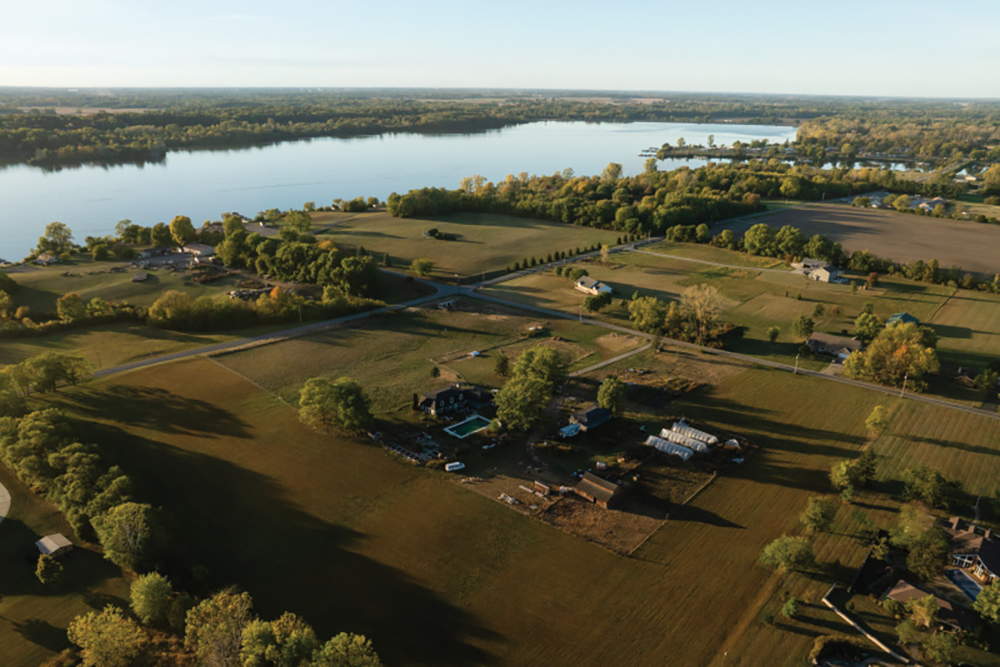
This meant leaving their stable professions to follow their passion, with the goal of strengthening local food systems through direct producer-consumer connections. The Friends invested in land – and a new way of life – in the countryside near Prairie Creek Reservoir in Selma.
See more: Faith CDC Farms and Orchard Addresses Food Inequity in Gary
Growing the Grocery Store
The couple established Prairie Hills Farm in 2021, joining the ranks of Black-owned and -operated farms in Indiana and the country. According to the Census of Agriculture, there were approximately 28,723 to 32,700 farms with Black producers in the U.S., representing roughly 1.4% to 1.5% of all American farms. Beginning farmers are a key opportunity for a shift to wider representation in farming demographics.
“We operate on 9 acres, with a diversified agriculture model that includes both organically grown produce and sustainably and ethically raised meat,” Sylvester says.
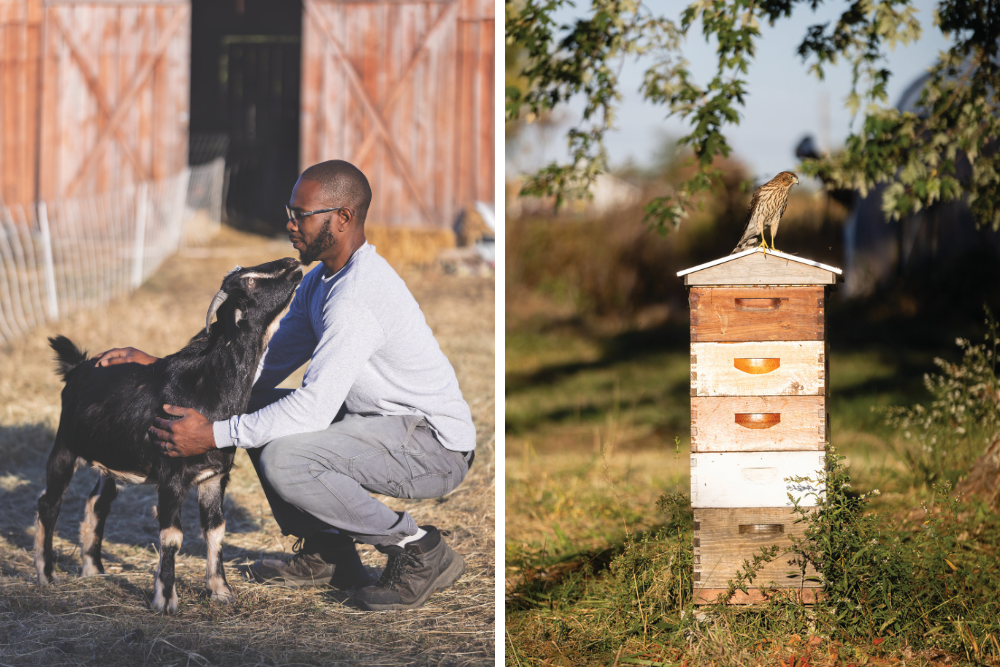
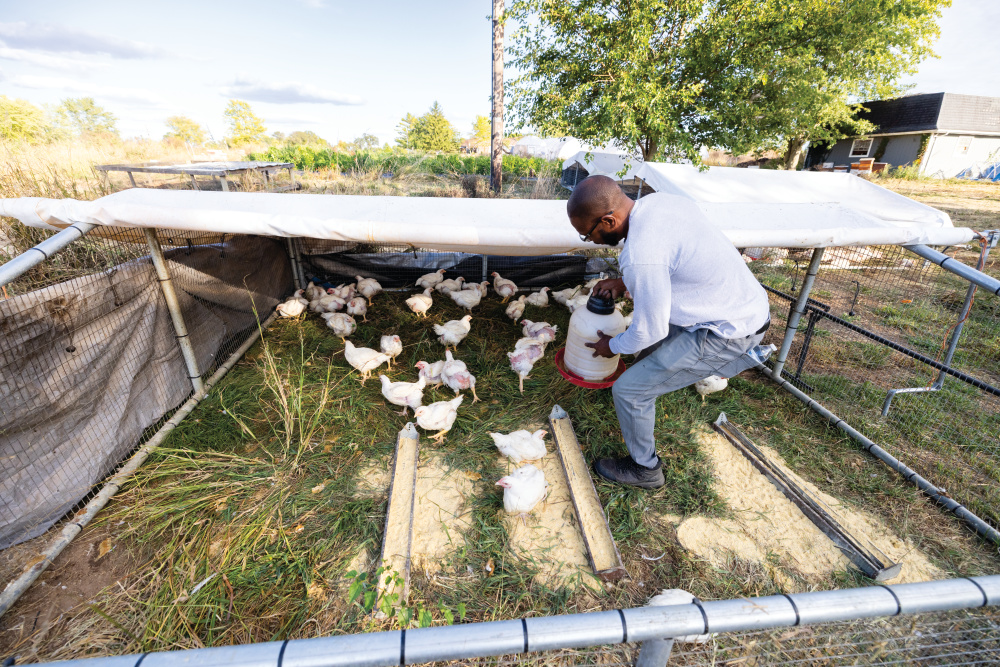
On the livestock side, Prairie Hills Farm has pasture-raised chickens, turkeys, goats and sheep, as well as egg production and a small apiary for honey.
“We initially got bees to pollinate our garden spaces, and honey ended up being a bonus by-product for us,” Sylvester says of the sweet surprise of commodity expansion.
Prairie Hills Farm also features 18 100-foot rows and five hoop houses that help extend the farm’s growing season. These spaces produce dozens of seasonal crop varieties, such as beets, carrots, leafy greens, peppers, potatoes, sweet peas, tomatoes and zucchini. The farm also boasts young fruit orchards for apples, cherries, peaches, pears and plums, as well as almond trees.
“We pretty much grow the grocery store,” Sabrina jokes. “We are purposely thinking about what fresh ingredients are necessary to sustain families.”
See more: Linneweber’s Sauce Company Creates Spicy Sensations with Indiana-Grown Peppers
Starting With Sustainability
The Friends have embraced regenerative agriculture as a guiding philosophy, implementing sustainable practices designed to improve soil health, conserve water and enhance biodiversity. This includes strategic methods such as rotational grazing, rainwater catchment infrastructure and pollinator habitat development.
“Making our own healthy soil has been a top priority since we started the farm because healthy soil produces healthy crops and healthier yields,” Sabrina says.
As first-generation farmers, the learning curve has been steep, so the couple immersed themselves in a wide range of agricultural resources.
“Once we started going down the rabbit hole of educating ourselves, we constantly read agricultural books, watched videos and so on,” Sabrina says.
See more: Trot Over to Brown Family Ranch for Horses and Locally Grown Food
Mentoring the Future of Ag
The pair discovered that the key to farming success, especially among first-generation producers like them, is mentorship.
“We did a ton of cold calling to fellow farmers in the area, just personally reaching out for guidance on every aspect of farming, from the business side to specific crop types and everything in between,” Sylvester says.
Their mentors’ welcoming attitudes and a passion to share tips and tricks for the new and next generation contributed to the farm’s success.
“Farmers’ openness to mentorship has been fundamental to our continued progress,” Sabrina says. “We’ve found that farmers genuinely want to support one another with knowledge, resources and unwavering encouragement.”
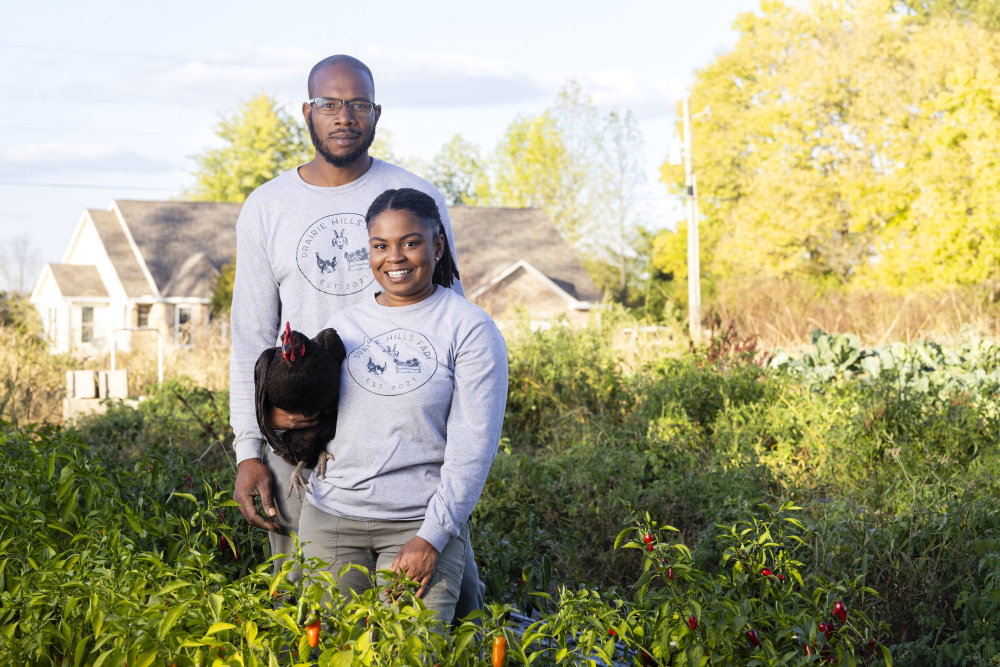
Prairie Hills Farm primarily focuses on direct-to-consumer sales, with on-site farm stand pickup and an online ordering system with shipping options. Additionally, the Friends are affiliates of Goats On The Go, a targeted grazing service that uses herds of goats as an eco-friendly alternative to chemical herbicides and heavy machinery for clearing unwanted vegetation.
Currently, women account for about one-third of the state’s farmer population, according to Indiana Grown. However, female farmers are on the rise, representing the fastest-growing segment in U.S. agriculture. The Friends’ tween daughters are already receiving on-the-job training as they help out on the family farm. Sabrina and Sylvester may be first-generation farmers, but they suspect their daughters could follow in their footsteps to continue practicing responsible stewardship of the land and further contribute to the industry’s changing landscape.
To learn more about Prairie Hills Farm, visit prairiehillsfarms.com.