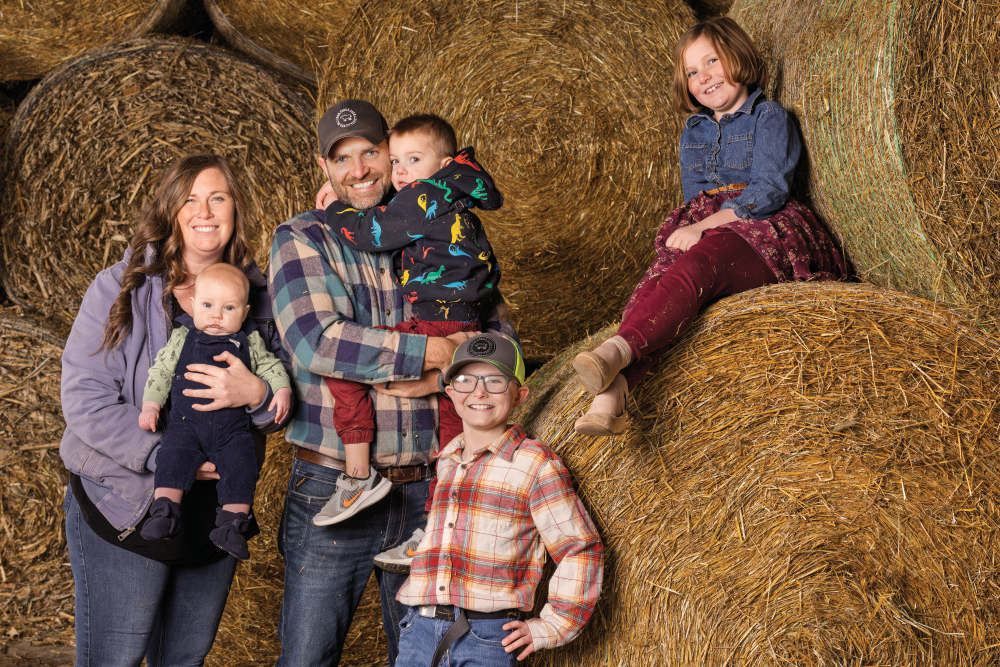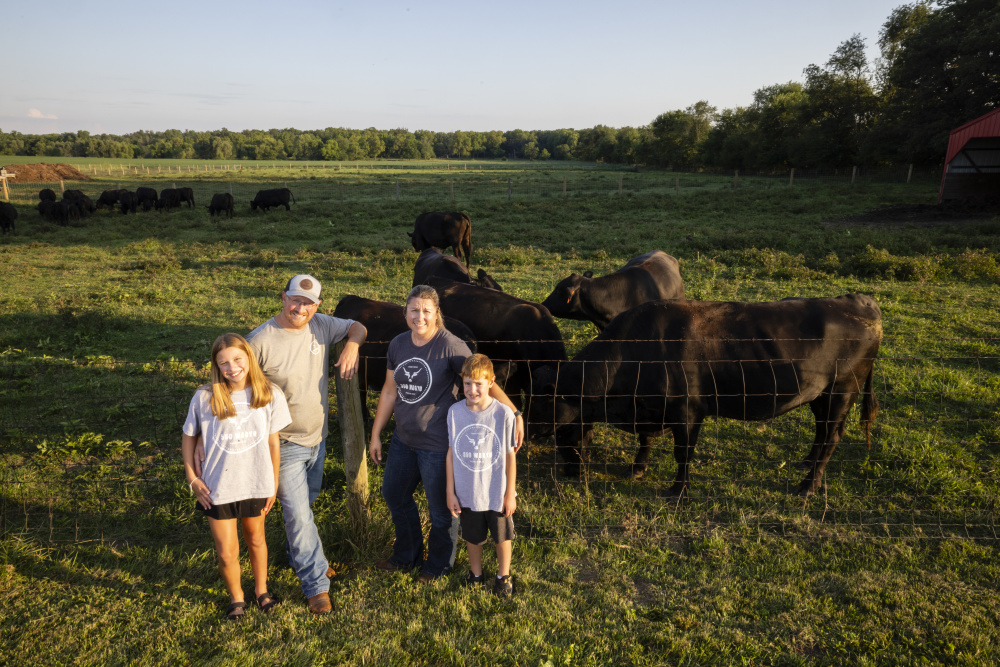
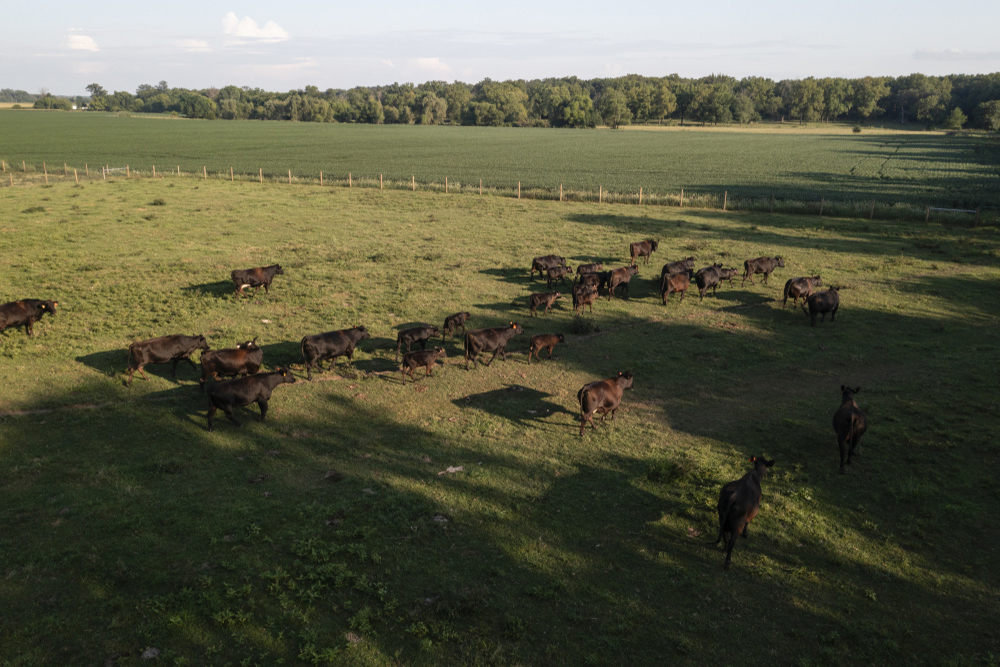
Elizabeth and Adam Stonecipher’s story is driven by fate and a love for cattle. A ride to a cattle show and one life-altering bite of Wagyu beef led them to where they are now, running 550 Wagyu in Tippecanoe County, Indiana.
Adam and Elizabeth both showed cattle and lived only 15 minutes apart growing up, but they went to different high schools and never met until the summer before their senior year.

“I was eligible to go to the Indiana Junior Angus Show, but my parents couldn’t go,” Elizabeth says. “A family friend suggested I ride back and forth to the show that weekend with Adam and his mom. We started dating about a month later.”
Two Purdue University degrees, a wedding and three children later, the Stoneciphers were busy raising around 900 acres of corn and soybeans and an Angus herd when they took that fateful bite of Wagyu beef.
See more: JavAroma Roasters Brews Community Support and Environmental Advocacy
Cattle Calling
It was Elizabeth’s dad, Stan Thayer, who bought a Wagyu brisket to serve visiting friends and family. The delectable flavor inspired a pivot at the family farm.
“It was phenomenal,” Elizabeth recalls. “Adam especially loved it and wanted to try raising them. We experimented by purchasing a few Wagyu steers and finishing them out.”
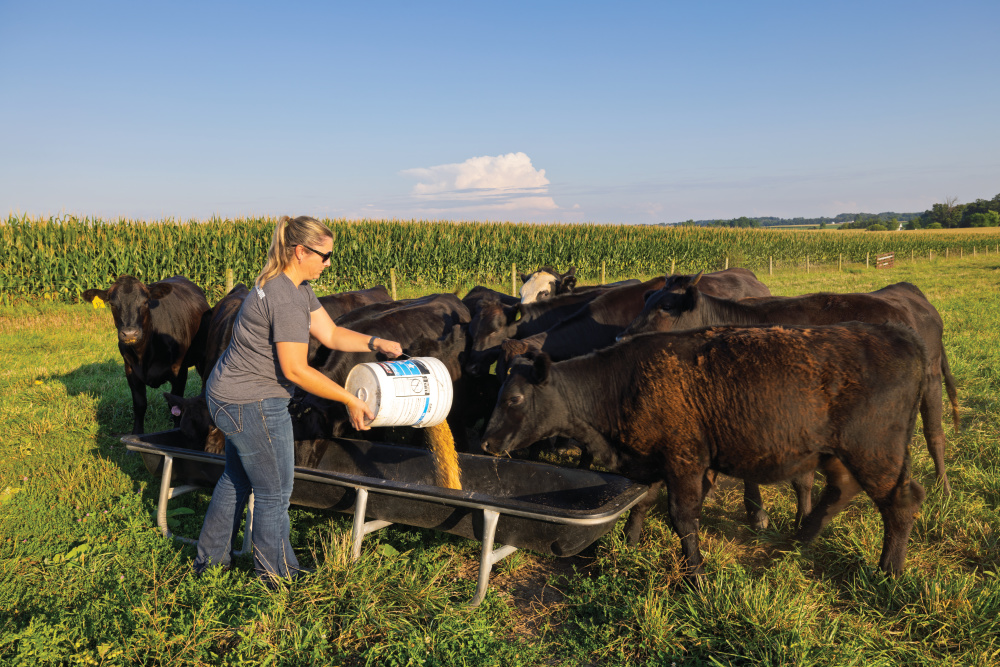
Elizabeth felt she could manage the Wagyu venture, which includes several sustainable practices. In summer, the cattle graze on pasture. Adam plants radishes and turnips as cover crops in late summer, and the cattle graze on those until after corn harvest, when the cows eat corn stalks.
“In winter, the cattle are on hay and feed from the corn we raise,” Elizabeth says. “In spring, they go back on cover crop in the fields until it’s time to plant corn. We try to use the land in the best way possible.”
Cover crops reduce erosion and help suppress weeds, among many other benefits. Grazing cattle on grain production fields also helps improve soil health.
See more: Trot Over to Brown Family Ranch for Horses and Locally Grown Food
Crossbreeding Value
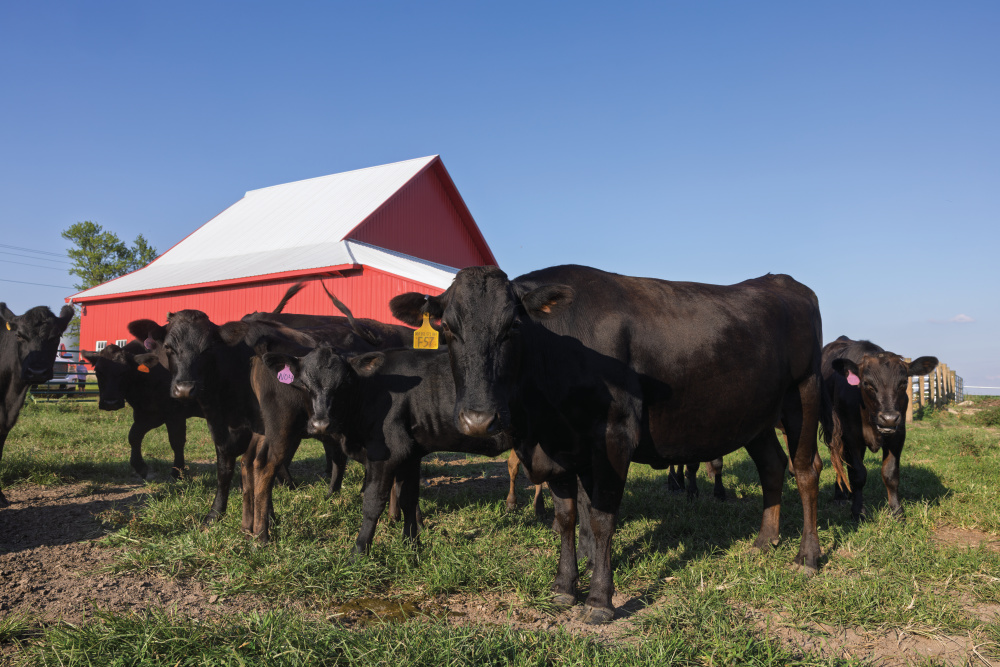
Wagyu beef comes from specific Japanese cattle breeds, prized for their extensive marbling, which creates exceptional juiciness and a rich, buttery, tender flavor. Wagyu beef is also expensive, in part because of the lengthy raising methods. However, in the U.S, many producers, like the Stoneciphers, crossbreed Wagyu cattle with American Angus.
“Ours are called F1 or half-blood, which is a cross with Angus cows, and we do that for several reasons,” Elizabeth explains. “One is price point. For many people, full-blood Wagyu is a rare treat – too rich in flavor and cost to be enjoyed on a frequent dinner menu. When some grocery stores are pricing ground beef at $8 a pound, ours is $10 a pound, which is a price point people will pay for beef that’s farm-raised from someone they know.”
Another reason for using Angus genetics is the growth cycle, which also impacts pricing significantly.
“Even our Wagyu cattle, which are crossbred, aren’t processed until they are 26 to 28 months of age,” Elizabeth says. “In comparison, Angus feeder steers are 14 to 16 months old at butcher, so that’s a much longer feeding time. Having the Angus genetics keeps the price point affordable but still yields the marbling and rich, superior flavor of Wagyu beef.”
See more: The Farm-to-Table, Student-Run Creek Cattle Co. Raises Career Awareness
Branding Success
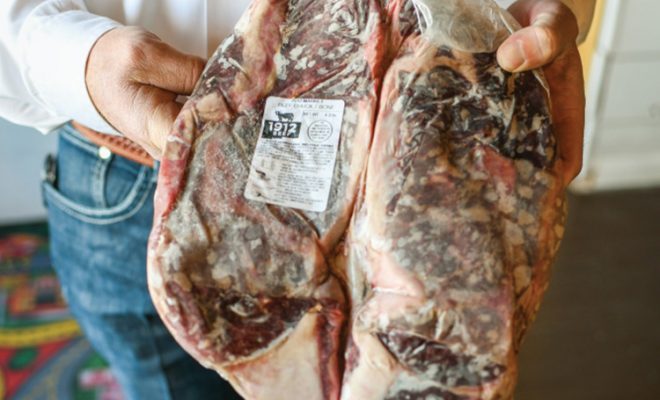
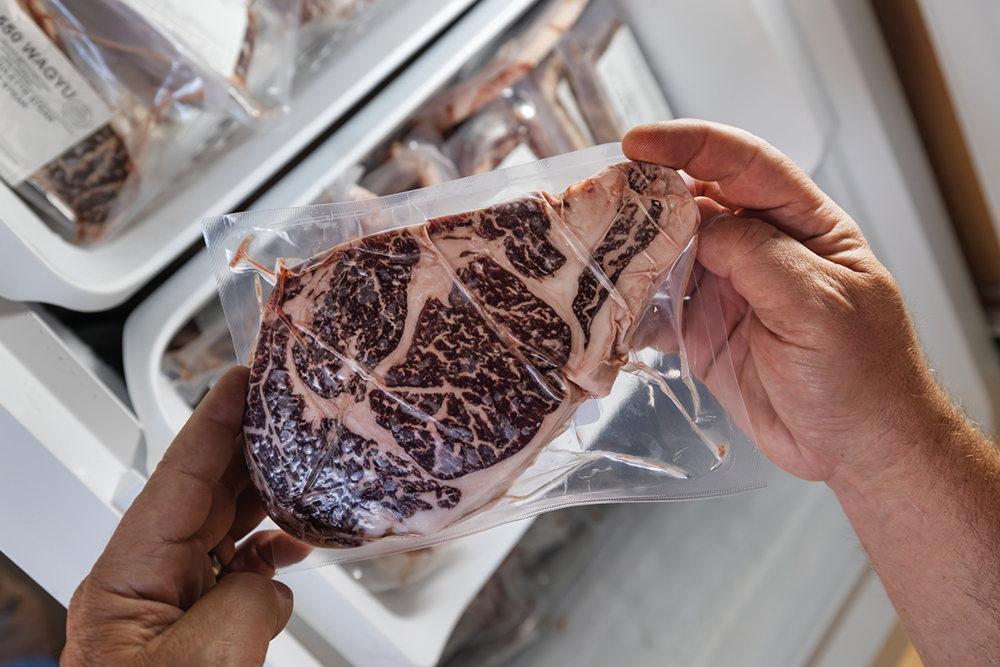
Customers can purchase 550 Wagyu by the whole steer, half or quarters. Customers can also buy individual cuts. Those can include lesser-known cuts such as bavettes, Delmonico or Denver steaks, which Elizabeth describes as highly marbleized and really tasty.
“We also sell subscriptions, so if someone wants a quarter beef but doesn’t have the freezer space or budget, they pay monthly, and we divide their beef over 12 months,” Elizabeth says.
Their beef is sold at the Lafayette Farmers Market and by delivery to select ZIP codes. Customers also pick up orders at the farm outside Lafayette. In fact, the 550 Wagyu name pays homage to Elizabeth’s family’s land. In 2024, Elizabeth’s father received the Hoosier Homestead Award, which recognizes farms owned and maintained by the same family for 100 years or more.
See more: Coverdale Angus Raises Award-Winning Cattle Through Superior Genetics
“When we were considering names for the beef operation, we just kept coming back to 550 Wagyu because we are on Road 550 West and it honors all the generations that came before us,” Elizabeth says. “We built our forever home on family ground. Our kids, Ainsley, Hadley and Easton, are seventh generation, so the name just felt right.”
The family is proud to offer premium, farm-raised beef, noting that less than 15% of all beef grades at Prime, but 100% of the F1 Wagyu they’ve raised have graded at Prime. The Prime designation is the highest quality beef grade given by the U.S. Department of Agriculture, based on the abundant marbling, which is healthy internal fat in the meat.
“Our customers value what we’re doing and want to know who provides their food,” Elizabeth says. “That support means the world to us.”
For more information about 550 Wagyu, visit 550wagyu.com.
See more: Beneker Family Farms Produces Quality Beef with Generational Knowledge