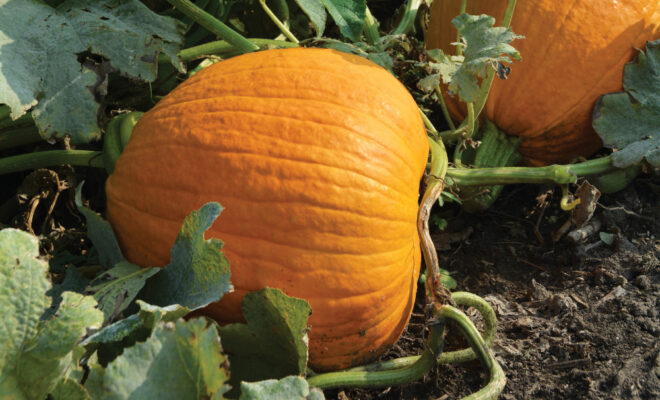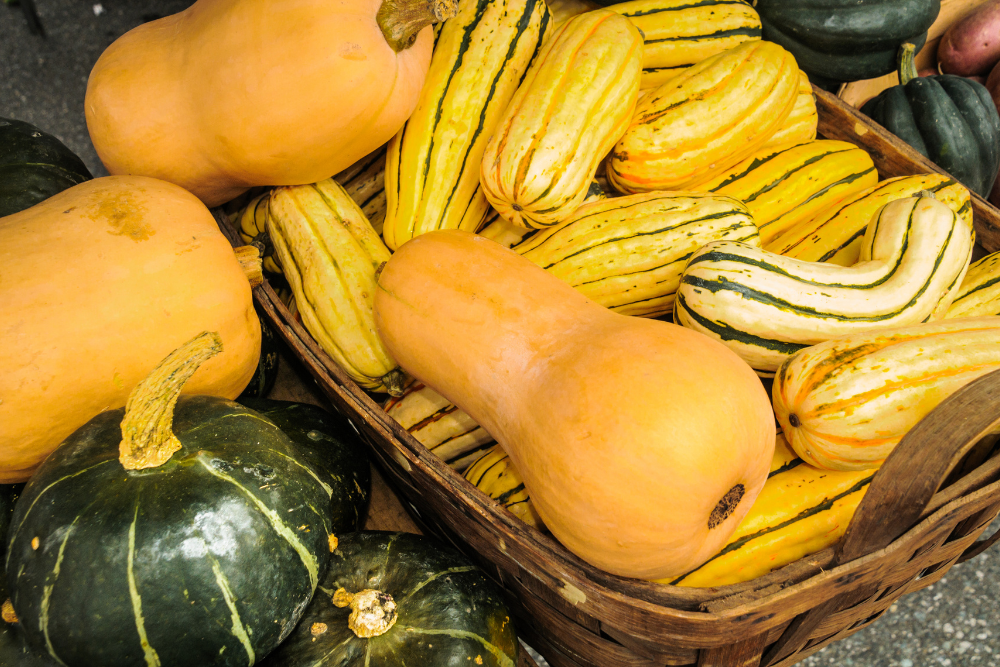
Packed with flavor and nutrition, winter squash makes a delicious addition to autumn dishes, from hearty mains to sides, salads, soups and more. Check out the facts below to learn more about these seasonal favorites.
- Winter squash season begins in late August or early September in Indiana.
- Winter squash have tough rinds that protect the developing fruit from cold weather.
- Winter squash are technically fruits because they develop from the flower of the plant and contain seeds.
- Butternut squash is low in calories and rich in vitamins, minerals and antioxidants.
- Butternut and acorn squash are good sources of carotenoids, plant pigments that give them their bright color and have antioxidant properties.
- Spaghetti squash can be enjoyed as a nutritious, low-calorie alternative to pasta.
- Delicata squash is also known as “sweet potato squash” because it has a similar flavor and texture to sweet potatoes.
- Winter squash have a much longer storage life than summer squash. Whole, unwashed winter squash can be stored at room temperature for 3 to 6 months depending on the variety.
- Like pumpkin seeds, winter squash seeds are edible and taste great roasted in the oven with seasonings.
Sources: Farm Flavor, Healthline, Purdue Extension
Advertisement