If you’re looking for a great spring, there are a few fall tasks to complete to make that happen. Follow these tips to enjoy a sensational gardening season throughout the spring and summer.
See more: Linneweber’s Sauce Company Creates Spicy Sensations with Indiana-Grown Peppers

Utilize the Leaves
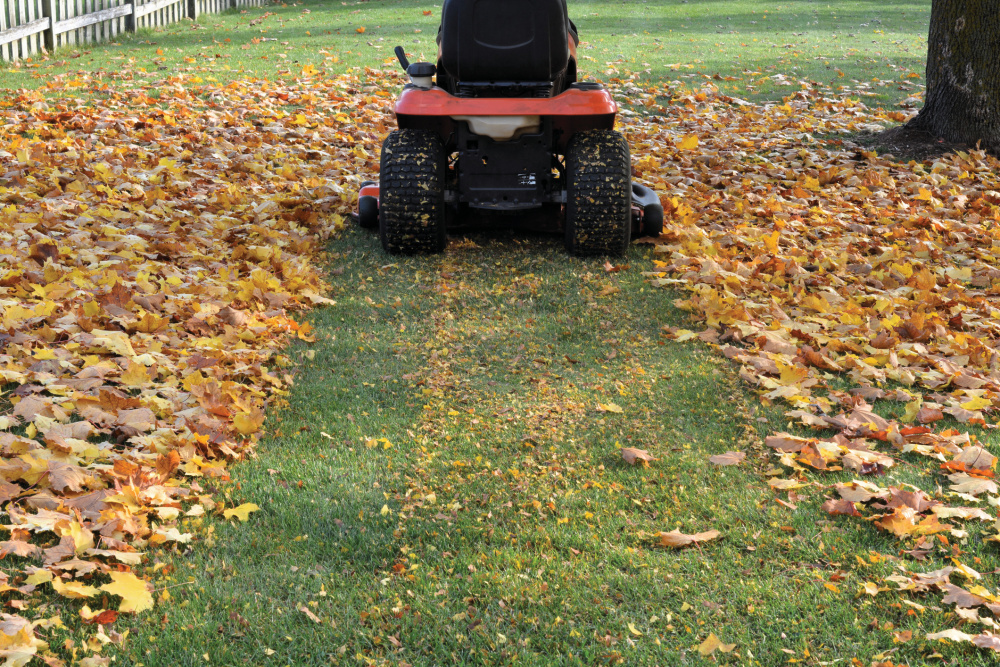
Leaves smother the lawn, which can kill the grass and invite insect and disease problems, especially fungus problems. Mowing the leaves with a mulching mower reduces at least one application of fertilizer. As the small bits and pieces decompose, they add trace nutrients to the soil.
Aerate the Lawn
Fall is the best time to aerate the lawn because weeds are less active, and it’s less likely you’ll get an infestation. Aeration relieves soil compaction and allows nutrients to reach the roots. As the plugs decompose, they add nutrients to the soil. Dampen the soil before aerating, and go back and forth in more than one direction. You can rent soil aerating machines, or if you have a lawn service, ask the company to do it.
See more: Indiana’s Native Plants Offer Beneficial Spring Blooms
Fall Fertilizing
The best two months to fertilize the lawn are September and November. Select a fertilizer labeled for winter, which is usually a mix of slow-release ingredients. The slow release supports the lawn through winter, likely making it green up earlier in spring.
Fertilizing in fall also eliminates a spring fertilizer application. Why fertilize in spring when the grass is going to grow anyway? Fertilizing in spring just increases mower duties.
Divide Summer Perennials
Fall is a good time to divide spring and early summer blooming perennials, such as iris, peonies, hardy mums and hostas. Raise the perennial out of the ground with a garden fork, shovel or spade. With a bread knife or other type of serrated blade, cut the root ball in half, quarters, thirds or however many pieces you want to divide and transplant.
Most of the time, it’s a good idea to cut the plants back to just above ground level so they don’t have to support a lot of top growth while trying to get rooted in. Water the transplants, don’t fertilize, and sprinkle compost around them if you have it.
See more: Winter Squash Shines in the Garden and on the Plate During Fall
Plant Spring Bulbs
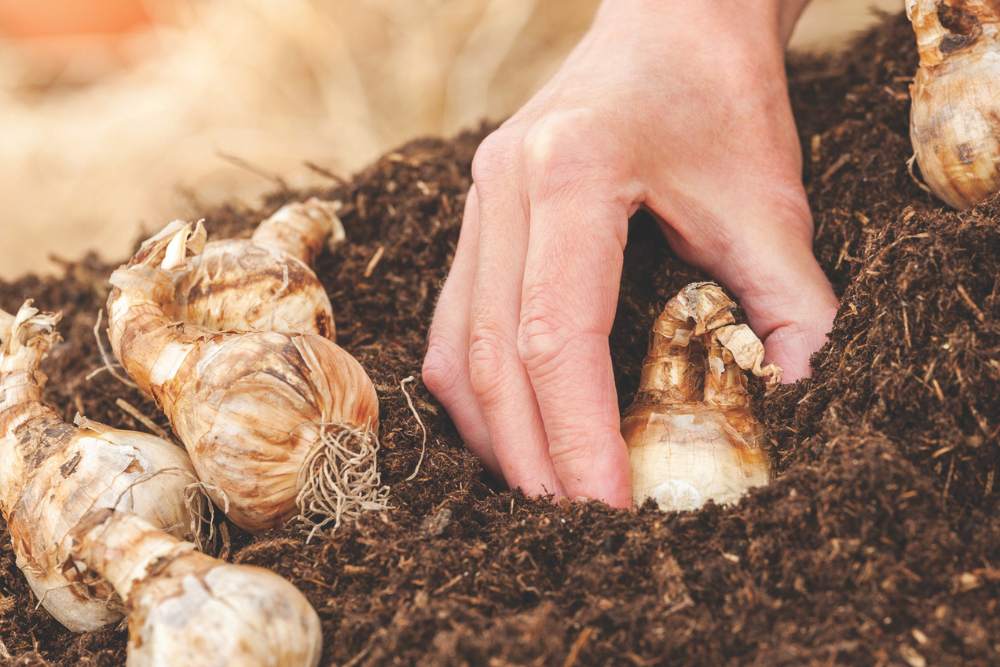
Even if you already have them, plant a few more spring bulbs just because. Daffodils (aka narcissus) are the best deal for the money. They are animal-proof and reliable bloomers.
Stick a few among some perennials, which will grow and camouflage the ripening foliage of the spring bulbs. Plant a few, especially fragrant ones like Dutch hyacinths, Poeticus, or Actaea, Cheerfulness or Delicious daffodils. Fragrant tulips include many double-flowering types, such as Angelique, or species tulips like Turkestanica.
Tackling a few tasks in the fall means plants will look good, the lawn will look good and you’ll feel good as spring bulbs bloom knowing all you accomplished in fall.
See more: Add a Pop of Color with Late Summer Bloomers to Enjoy Through Fall
About the Author: Jo Ellen Meyers Sharp blogs at hoosiergardener.com, where you’ll find information about her programs, garden coaching and four-season container planting.