What gardener hasn’t been tempted by miraculous chemical-free cure-alls or gardening hacks touted on the internet. But are they real? Many of us haven’t kept up with the latest research-based strategies, and quite a few recommendations have changed. We’re taking a moment to debunk common garden myths by addressing a few unproven gardening suggestions and some previous best practices that are no longer recommended.
See more: Winter Squash Shines in the Garden and on the Plate During Fall

Myth 1: Safe Weed Killer
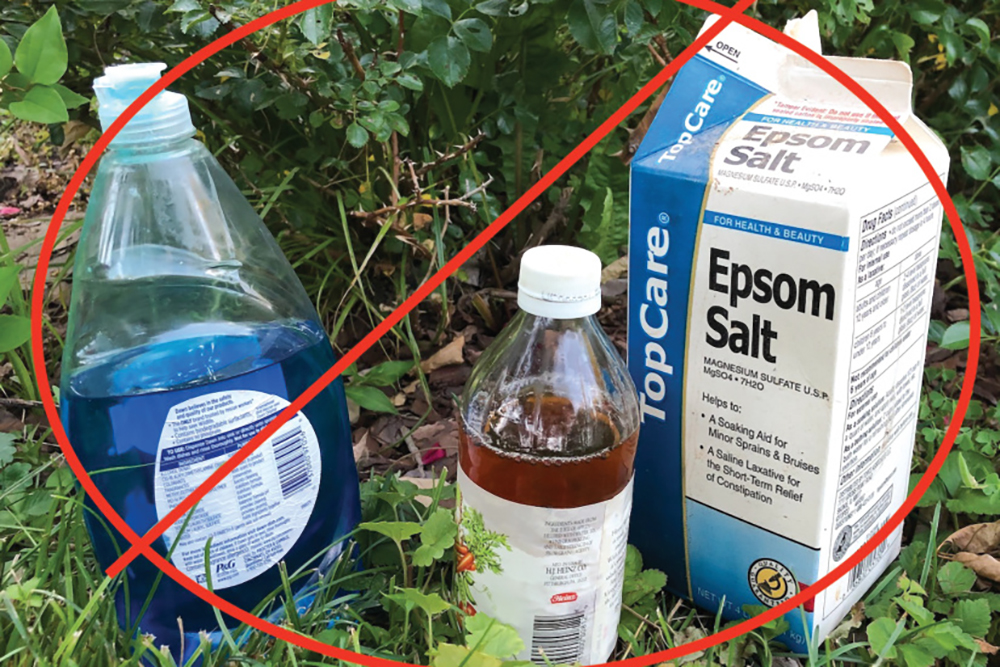
The most popular example of a “natural” weed killer is a recipe of dishwashing detergent, vinegar and Epsom salt to kill weeds. It can be found everywhere on the internet, including Facebook, Instagram Reels and blogs. What people may not realize is detergent and vinegar are chemicals and Epsom salt is a mineral.
It has been proven that this recipe does not kill the roots of targeted weeds and may instead kill desirable plants located nearby. Vinegar is also not good for the soil and its microorganisms.
See more: Fill Your Garden with Fragrant Indiana Annuals and Perennials for a Sensory Delight
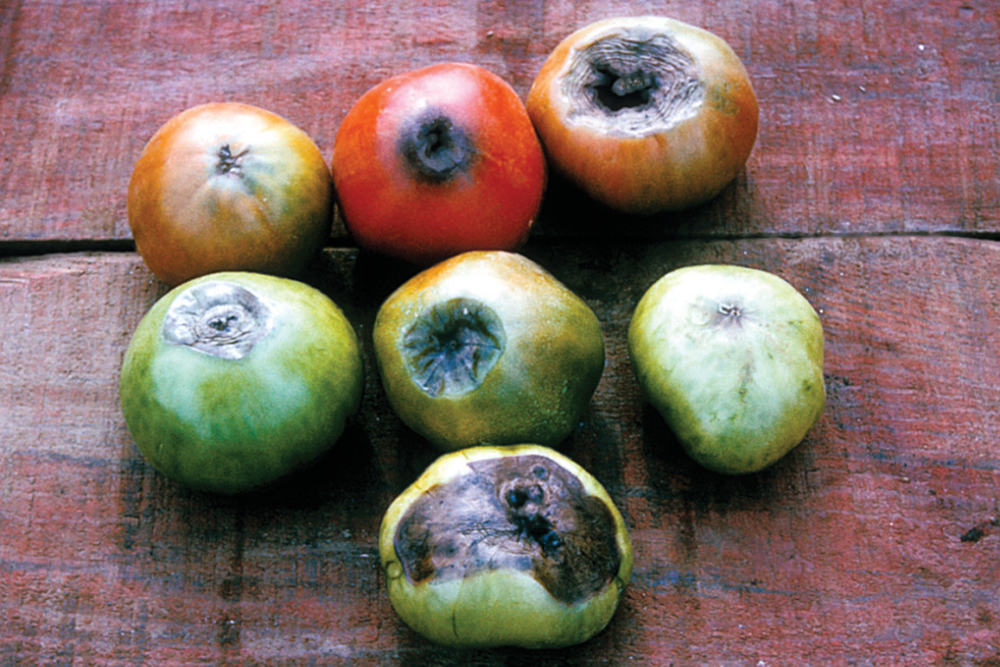
Myth 2: Tums for Tomatoes
Another popular recommendation on the internet is adding calcium tablets, such as Tums, to a tomato’s planting hole to prevent blossom end rot. Commonly referred to as BER, it appears as a black, leathery blotch at the end of the tomato. BER also affects other vegetables, including peppers and squash, with the same symptoms.
Blossom end rot is not a disease, but a condition caused by the lack of calcium movement within the tomato. Irregular watering contributes to BER, which is more common on the first fruits produced on tomatoes and other veggies. As the plant matures, the problem is usually resolved.
I understand that people want to avoid using synthetic chemicals and would prefer natural products instead. However, many homemade natural remedies are as bad or worse to use in the garden. Many of them haven’t been tested for safety or how effective they are.
See more: Quick and Easy Tomato Recipes to Enjoy All Summer Long
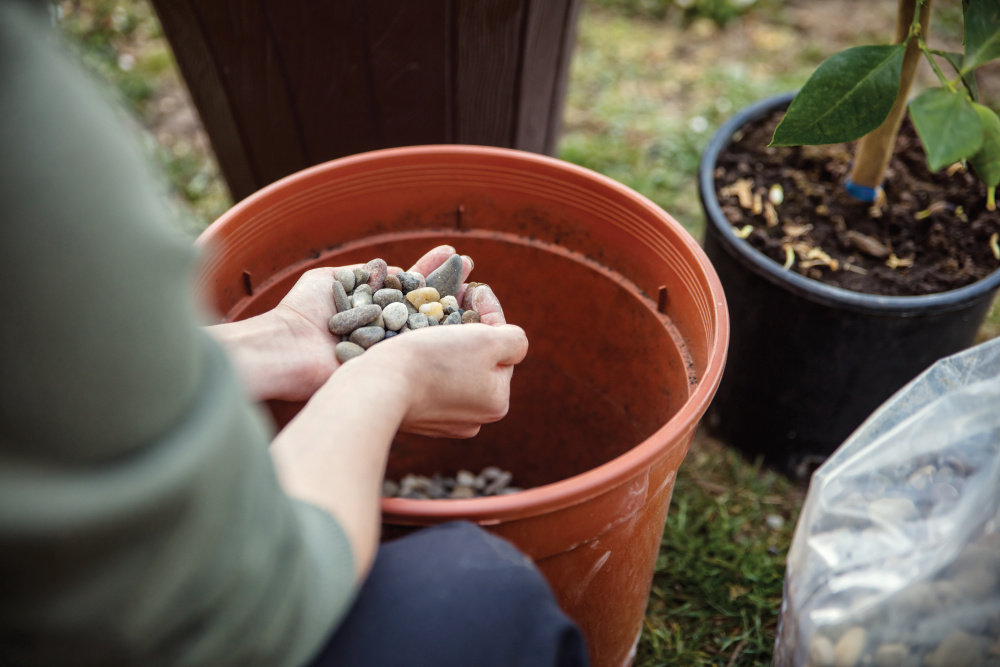
Myth 3: Rocks in Pots
For decades, it was common practice to add rocks at the bottom of pots when planting or transplanting houseplants and garden plants. The rocks were thought to aid drainage. But that is not the case.
The rocks hold water, which saturates the lower portion of soil or potting mix where the roots develop. As the soil becomes saturated, oxygen is no longer available, so root rot may soon develop. Instead of rocks, you want pots that have drainage holes. If there is no hole, consider drilling one.
About the Author: Jo Ellen Meyers Sharp blogs at hoosiergardener.com, where you’ll find information about her programs, garden coaching and four-season container planting.
See more: Deck the Halls with Holiday Container Decor Featuring Seasonal Greenery