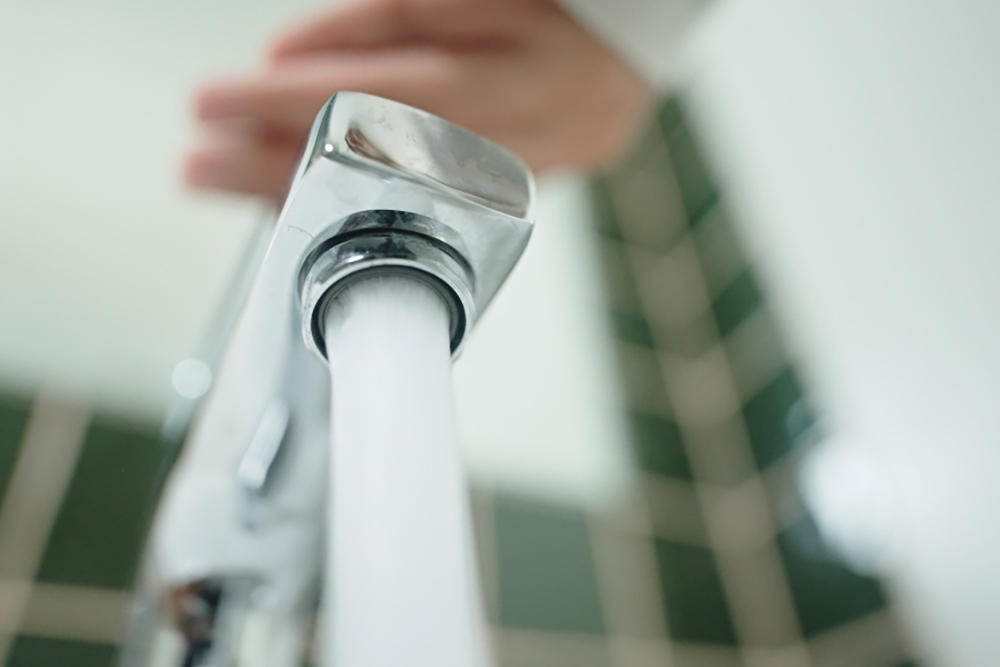
Water is essential for life, but when unchecked and uncontained, it can cause damage to your home and property. At Indiana Farm Bureau Insurance, a significant number of clients report claims related to water damage each year, and the average cost of covered claims has increased nearly 50% over the last five years.
Water damage may be covered by your homeowners policy, but oftentimes it is not. For example, coverage for weather-related flood damage is typically purchased through the National Flood Insurance Program. Additionally, plumbing systems require regular maintenance, which may also impact whether a plumbing-related loss is covered. Be sure to review your policy carefully and contact your IFBI agent if you have questions.

The good news? IFBI offers a number of additional coverage options, including water backup and sump overflow, to cover some potential situations that may result in water damage. You also can take steps to prevent or minimize potential water damage.
Consider the following tips that may lower the risk of water damage from overflowing toilets, failed dishwasher or refrigerator connections, backed-up drains and other common causes.
See more: Beneker Family Farms Produces Quality Beef with Generational Knowledge
1. Perform Regular Maintenance Checks
Inspect your appliance water lines monthly to look for signs of wear, corrosion or loose connections. Follow manufacturer guidelines on replacing hoses that connect to appliances. You should also know where your main water shut-off valve is and test it periodically.
2. Get in the Prevention Habit
Never leave the house while your dishwasher or washing machine is in use. If you will be away from your house overnight or for an extended period, turn off your main water supply. There’s nothing worse than coming home from a relaxing vacation and discovering extensive water damage. Also, address slow-drains and backups as you notice them. Don’t wait for them to become a major issue.
See more: Akoma Ntoso Modern Quilt Guild Stitches Powerful Patchwork
3. Use Some Smart Tactics
There are several types of smart home technologies that you can employ in your defense against water damage. Do your research and consider using one or more of these products to help detect leaks or moisture in areas of concern. Information and real-time data are your friends
4. Stay Informed
Routinely check online for recalls or common issues with the appliances in your home. If you know about common failure points and average lifespans, you’ll be equipped to make a more effective prevention plan.
Water damage can hurt your pocketbook and may displace you from your home while repairs are being made. Contact your local IFBI agent to better understand what your policy covers when it comes to water damage. Take preventative measures to help reduce your risk.
See more: Learn How to “C.A.R.E” for Your Insurance Coverage in the New Year